
Last updated November 17, 2026
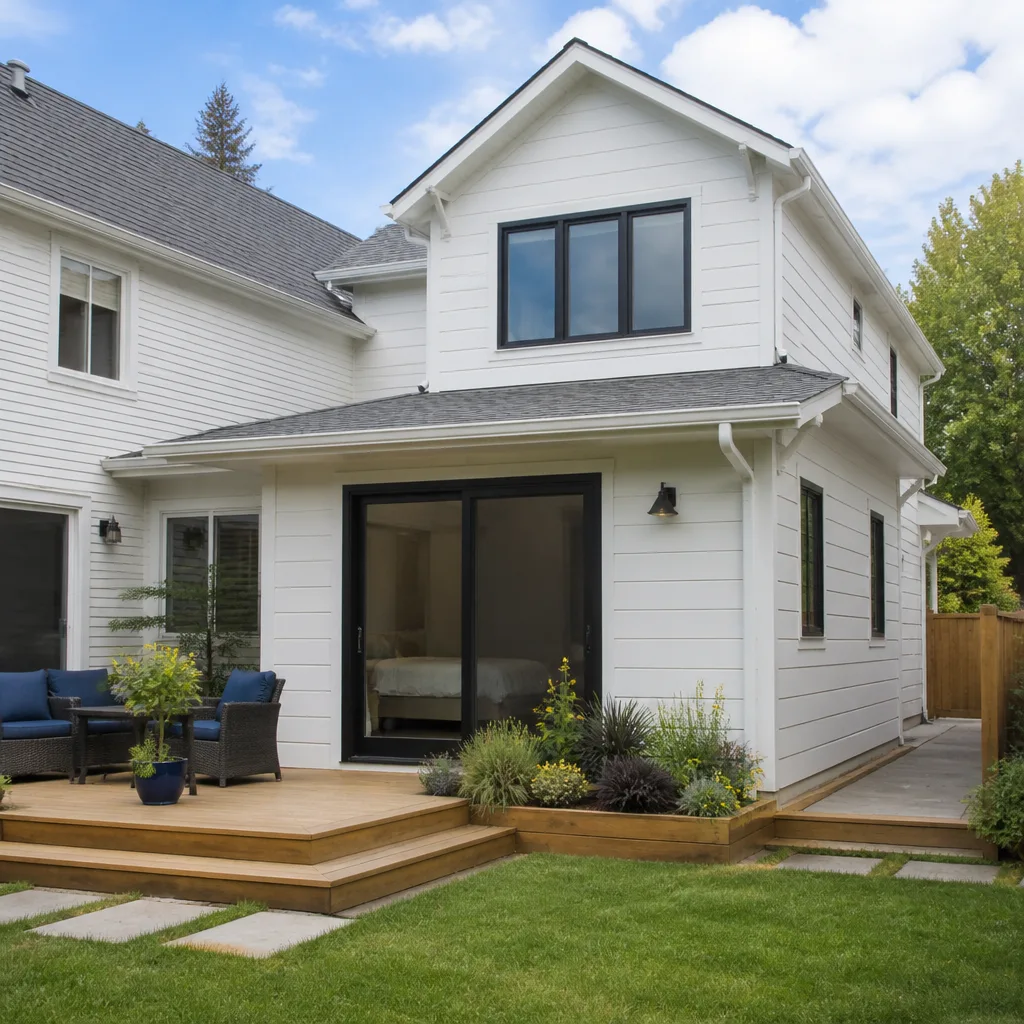 Home additions & ADU
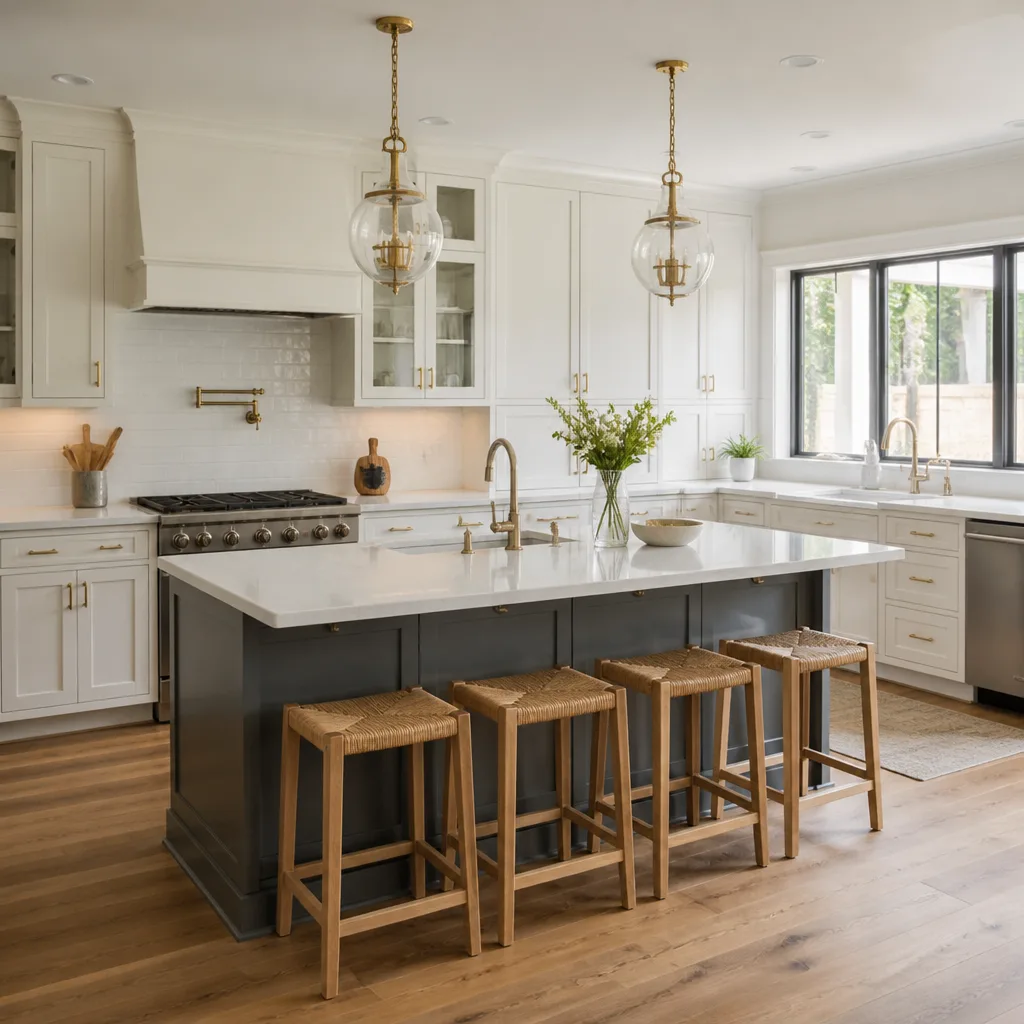 Kitchen remodeling
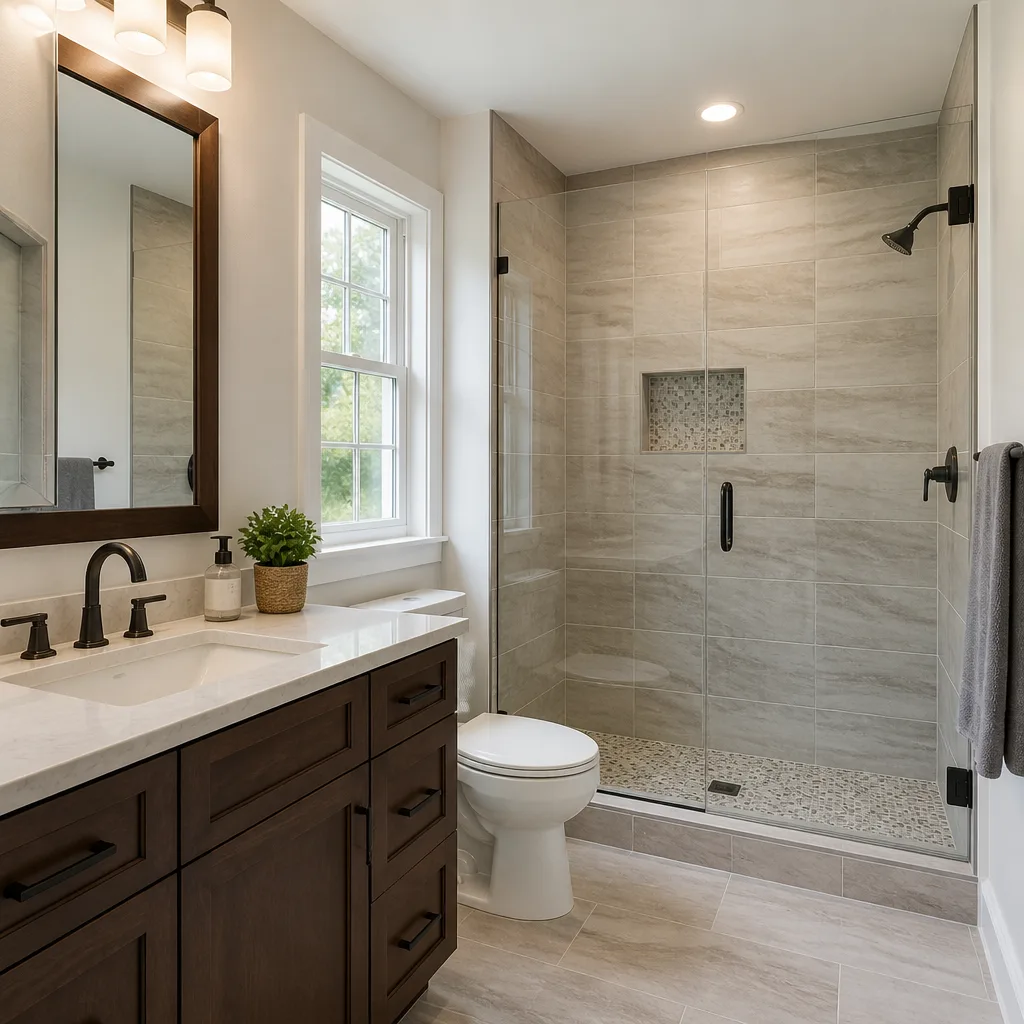 Bathroom remodeling
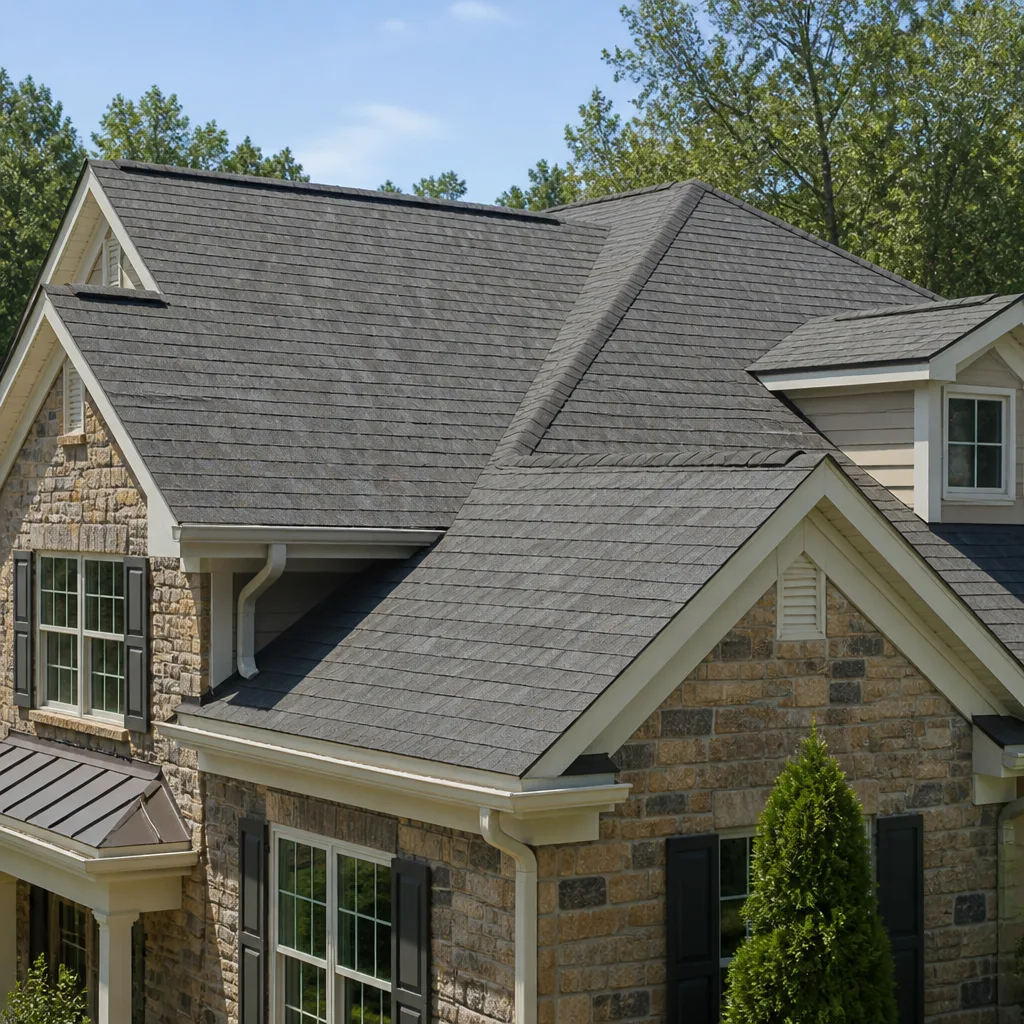 Roofing
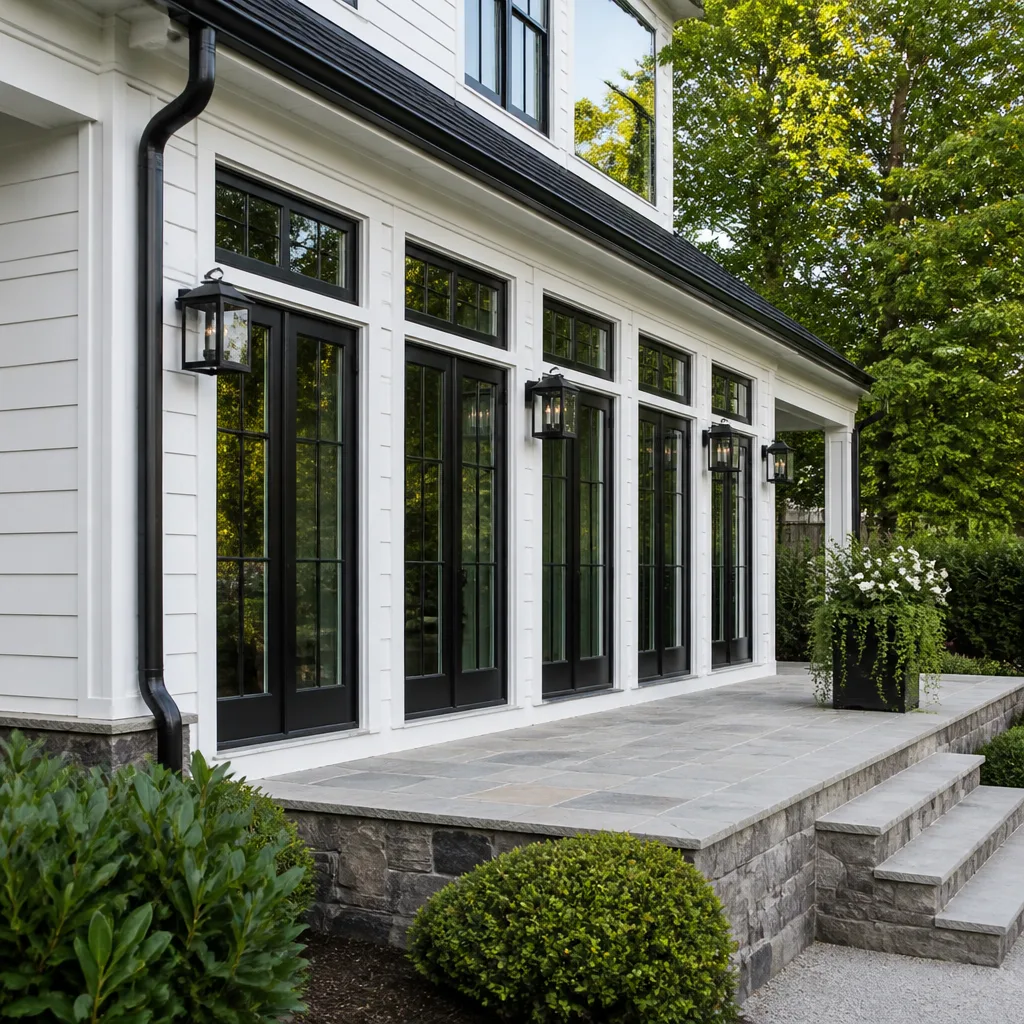 Windows & doors
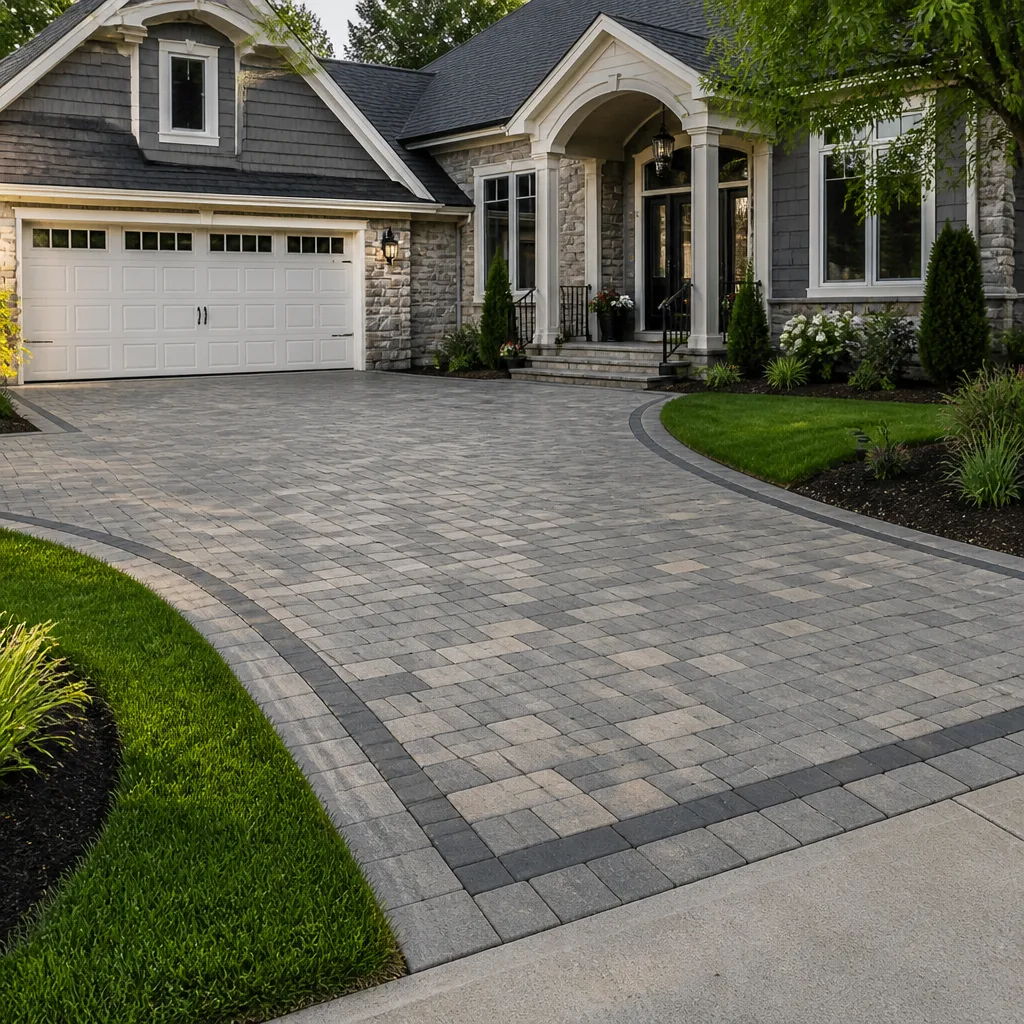 Driveway & pavers
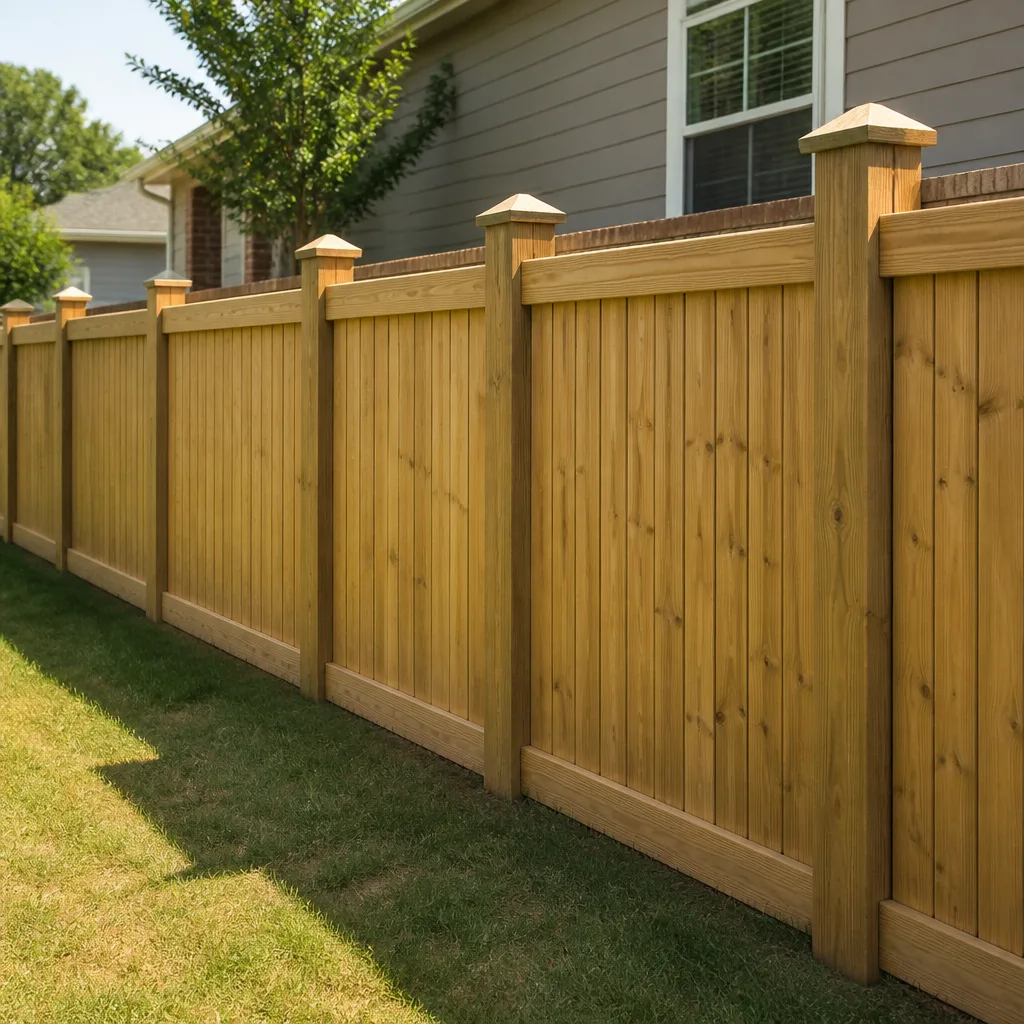 Fence
Free written scope consultation - allowances, timeline, and change-order rules on paper before a single trade is scheduled
DIY vs Professional Construction: The Henderson Homeowner’s Decision Guide
Installing a roof yourself in Nevada is legal. Getting the manufacturer to honor the warranty afterward is another matter. GAF, Owens Corning, and CertainTeed all tie their longest warranty tiers to certified contractor installation, which means a Henderson homeowner can do everything right on the roof deck and still lose coverage on a technicality the first time a claim is filed. The same principle reaches further than most people expect: into window flashing, waterproofing membranes, and the compacted base under a paver driveway. This guide walks through the real decision points for Henderson homeowners – what’s legal to build yourself, what voids a warranty, and what this city’s caliche soil does to projects that work fine elsewhere.
Quick Answer
In Henderson, homeowners can legally build some projects themselves, but roofing, waterproofing, structural work, and anything touching gas or main electrical service should go to a licensed professional. Manufacturer warranties on roofing and window systems usually require certified installation, so DIY work there can void coverage even when the build itself is sound. The projects that stay genuinely safe for DIY are interior painting, landscaping, and minor cosmetic tile work.
Styles & brands we work with
- Kitchen remodeling
- Bathroom remodeling
- Home additions & ADU
- Roofing
- Windows & doors
- Driveway & pavers
- Fence
Table of Contents
- The Three Questions That Decide Every Project
- What Nevada Law Actually Requires
- Where DIY Voids Manufacturer Warranties
- The Caliche Problem Henderson Builders Know Well
- The Real Cost of DIY: A Line-Item Breakdown
- Projects Where DIY Genuinely Works in Henderson
- Permits and Inspections: What to Expect
- Materials and Brand Selection: The Contractor Advantage
The Three Questions That Decide Every Project
Before the comparison of skill to budget starts, three questions sort nearly every project into the right column. They come up in almost every consultation we’ve had in Henderson, and the answers rarely land the same way for two different households.
- Does this project require a permit, and does the permit require a licensed contractor? Some work is legal for an owner-builder and some isn’t. The project category matters more than the dollar figure.
- Will the manufacturer honor the warranty if a homeowner installs it? This is the silent tripwire. Roofing systems, window assemblies, and waterproofing membranes often have certified-installer clauses buried in the warranty text.
- Does this project depend on site conditions that reward proper equipment? In Henderson, that usually means caliche – the dense calcium carbonate layer that shows up under much of the valley and changes how flatwork and fence posts get installed.
Score a project as “no” on all three and DIY stays in play. Score “yes” on any one and the calculation shifts toward a licensed professional. The best Henderson crews will actually coach a homeowner through this, even if the guidance points the work back to the homeowner. Our technicians have up to 14 years of experience across these seven service categories, and the honest answer is often “this one’s fine to do yourself.”
A useful cross-check: apply the same framework to driveway & pavers and to interior painting. Same questions, opposite answers. That contrast tells you more than any online checklist.
What Nevada Law Actually Requires
Nevada’s owner-builder exemption allows a homeowner to build or improve a residence they will occupy without holding a contractor’s license. The exemption does not extend to rental units, investment properties, or spec homes, and it does not survive a sale to a buyer for whom the work was never inspected. Crucially, the exemption also does not override manufacturer warranty requirements, HOA restrictions, or the technical licensing thresholds set by the state for specific trade classes.
The practical side of the law is what trips people up. Henderson permits are pulled through the city’s building department, and the plan reviewer will tell you whether the scope falls inside the owner-builder exemption or requires a licensed contractor. Some categories – most structural work, anything on the main electrical panel, gas line connections, and full reroofs in certain configurations – are simply not owner-builder territory in practice.
- Owner-builder OK: interior painting, landscape grading, minor tile repair, fence replacements under HOA height limits, and cosmetic upgrades that don’t require a permit.
- Licensed contractor expected: structural changes, full reroofs, window replacement that changes the opening, electrical panel work, gas line service, and waterproofing systems inside a shower or wet area.
- Gray area: paver driveways and patios – legal to self-install but often pushed toward a professional by equipment requirements and material warranties.
Confirm the exact permit category with the City of Henderson building department before you buy materials. The rules change at the margins, and the city’s reviewer is the authority. Ask specifically whether your scope is allowed under owner-builder and whether the final inspection will require a licensed sign-off.
Where DIY Voids Manufacturer Warranties
This is the point most Henderson homeowners miss. A warranty can be technically valid and still useless if the manufacturer requires certified installation for the tier you thought you bought.
Take roofing. GAF, Owens Corning, CertainTeed, IKO, Atlas, Tamko, and Boral all sell good systems. Every one of them conditions their longest warranty options on installation by a contractor in their certified network, and the paperwork often requires a certification number on the final invoice. A homeowner can install the same shingles and get a shorter material-only warranty, or none at all. The reroof passes inspection. The house is dry. And then the first time a storm hits and the homeowner files a claim, the manufacturer asks for the installer’s certification and the claim stops there.
Window systems work similarly. Impact-rated products from PGT, CGI, and ECO Window Systems, along with entry door systems like Therma-Tru, all come with installation specifications tied to warranty coverage – flashing tape, sealant type, fastener pattern, and sill pan detailing. A homeowner who skips one flashing step can void coverage on the entire assembly, not just the part that failed.
Waterproofing is the third category. Shower pans, tile backer systems, and similar wet-area membranes almost always carry a certified-installer clause because the failure mode is invisible until mold appears behind the wall. The material is not expensive. The installation sequence matters more than the product.
- Roofing: certified installer required for the top warranty tiers at GAF, Owens Corning, CertainTeed, IKO, Atlas, Tamko, and Boral.
- Windows and doors: flashing and sealant specification required for PGT, CGI, ECO Window Systems, and Therma-Tru system warranties.
- Waterproofing: certified installer required on most tile backer and shower pan membrane systems.
- Siding: James Hardie fiber cement carries specific installation requirements and a warranty that depends on them.
Read the warranty document before you choose the pathway. The answer to “will this be covered” is usually visible in the install section, and it rarely changes later.
The Caliche Problem Henderson Builders Know Well
Henderson sits on top of a soil profile that gives flatwork installers more trouble than homeowners expect. Beneath the surface layer, much of the valley has caliche – a dense, cemented layer of calcium carbonate that behaves more like soft rock than soil. Digging a fence post hole through it can take an hour with a bar and still not reach the required depth. Excavation for a paver base is a different problem: you’re not removing existing soil, you’re compacting a prepared layer on top of it to a specific density.
That compaction is where DIY paver projects in Henderson fail. A proper paver base gets compacted in lifts with a plate compactor that has enough weight to reach the target density. A hand tamper, a small plate compactor, or a vibrating plate without enough amplitude will pass the visual eye test at the end of installation and then start showing rutting or settling within a season of Nevada heat cycling and monsoon runoff. The paver surface gets blamed. The base is the actual problem.
The same principle reaches fence installation. Post holes need to reach below the caliche layer or be anchored in a way that accounts for it, and concrete has to be mixed and placed to a specific slump for a reliable set. Quikrete and Sakrete both sell quality bagged mixes, but the mixing water ratio and the cure time matter more than the brand. We’ve seen posts come loose inside 18 months when improper backfill lets water pool around the base during heavy rain.
The equipment list alone is the tell for most Henderson homeowners. A plate compactor rental, a laser level, a transit, a diamond-blade saw for pavers, and a proper excavation tool for reaching through caliche adds up to real cost – and the learning curve on each still applies. This is why even experienced DIYers often hand off driveway & pavers work to a crew that owns the tools.
The Real Cost of DIY: A Line-Item Breakdown
The DIY budget usually looks simple: materials plus a tool rental. The version that shows up after the project ends is longer. Here’s how the categories break down for a typical Henderson project.
- Permit fees: charged by the city on the same scale whether an owner-builder or a licensed contractor files. Expect a few hundred dollars on a mid-size project.
- Tool rental: plate compactor, rotary hammer, tile saw, and transit rentals run daily or weekly, and a longer-than-planned job multiplies the cost. Weekend-only scheduling makes this worse.
- Material waste: first-time installers typically buy 10-15% more material than a file-cabinet plan assumes, because cuts without a pattern waste boards, tile, or pavers. Experienced crews work from a layout.
- Permit re-inspections: failed inspections mean a second fee and a second appointment, sometimes weeks out. The first one is part of the project; the second one is the DIY tax.
- The correction premium: fixing DIY errors usually costs more than starting fresh. Removed materials, torn-out substrates, and re-pulled permits all add to the tab. In our experience, a full tear-out and redo on a failed scope runs meaningfully higher than the original professional quote.
- Value of your time: easiest cost to ignore, hardest to recover. A three-weekend paver project is three weekends.
The written estimate has the useful property of sitting still. A hypothetical DIY budget rarely does. Once a contractor’s bid includes permits, materials, labor, cleanup, and disposal, comparing it to the true DIY number is often closer than the first impression suggested – and the professional quote includes the warranty.
We build every estimate line-by-line for this reason. Call (833) 733-3914 to schedule a free estimate and see the actual comparison in writing.
Projects Where DIY Genuinely Works in Henderson
Plenty of projects belong in the DIY column. These are the categories we consistently tell Henderson homeowners to keep, along with the specific conditions that make each one safe.
Interior Painting
Low risk, low permit exposure, straightforward execution. Prep work (patching, sanding, taping) matters more than the paint brand. Two coats beat one coat every time, and low-VOC products cure well in Henderson’s dry air. The one condition: if the walls hide moisture intrusion or old water damage, fix the source before painting over it.
Landscaping
Desert-friendly planting, drip irrigation updates, and rock or gravel installation are entirely DIY-friendly. The specific requirement for Henderson is a proper irrigation schedule for the first 12 months after install, especially during the summer when soil dries out fast between waterings. Check HOA rules on plant height and rock color before you buy.
Minor Tile Repair
Replacing a cracked floor tile, grouting a backsplash, or regrouting a shower floor within the existing pan is fine. The condition: stop at the tile surface. Anything that touches the waterproofing membrane, the shower pan slope, or the substrate below the tile is a professional job in our view, because failure is invisible until it’s expensive.
Small Fence Repairs
Replacing a single picket, tightening a gate, or re-hanging hardware falls comfortably in DIY. Full fence installation with post holes, concrete, and lot-line surveys is where the equipment and permitting requirements take over. Anything that crosses a property line needs a surveyor’s confirmation first. Full fence installation usually works better with a crew on the ground.
Anything beyond these four categories deserves a second look at the decision framework at the top of this guide.
Permits and Inspections: What to Expect
Every Henderson project that touches structure, systems, or the building envelope goes through the city’s permitting process. The permit itself is not the obstacle. The inspection sequence is where DIY projects often lose time, because the required inspections happen in a specific order and each one has to pass before the next stage of work opens.
- Plan review: the city reviews the drawing or specification before issuing the permit. Most residential scopes clear quickly when the paperwork is complete.
- Rough-in inspection: framing, electrical, and plumbing are inspected before drywall or finishes go in. This is the inspection that catches most DIY errors, because the work is still visible.
- Insulation and energy inspection: required on projects touching the thermal envelope, particularly window and door replacements and home additions.
- Final inspection: covers the finished assembly, and in some cases the inspector will ask for manufacturer documentation of certified installation.
Contractors pull permits routinely and know which inspector will check which detail. Homeowners doing owner-builder work are responsible for everything the contractor would normally handle – the paperwork, the scheduling, and the corrections after a failed inspection. That last part often matters more than the permit fee itself.
For larger scopes – home additions, ADUs, anything extending the footprint – the permit process is heavier and the design review is real. We handle home additions & ADU projects through both traditional stick-built methods and prefab partners like Abodu, and we’ve seen the comparison fall the same way nearly every time: the paperwork is the project for the first month.
Materials and Brand Selection: The Contractor Advantage
Material selection is the part of the decision that usually gets shortchanged. The gap between a professional’s material choices and a homeowner’s is not loyalty – it’s leverage. A contractor who works with 50+ manufacturers across the trades gets specification access, current product knowledge, and pricing tiers most homeowners can’t reach at the retail counter.
Concrete examples from the seven categories we cover:
- Roofing: GAF, CertainTeed, Owens Corning, IKO, Atlas, Tamko, and Boral cover every major system – shingle, tile, and low-slope – and each has a different warranty structure that changes based on the installation crew’s certification.
- Kitchen: KraftMaid and Wellborn cabinet lines, plus Cambria, Silestone, and Caesarstone surfaces. The material differences are real, not cosmetic. Quartz surfaces from those three brands have different heat tolerances and different seam behavior, and the choice matters for a kitchen with a gas cooktop.
- Bathroom: Kohler, Grohe, and Toto fixtures ride on a plumbing line that depends on the rough-in dimensions and the waterproofing system behind the tile.
- Windows and doors: PGT, CGI, and ECO Window Systems for impact-rated glazing, plus Therma-Tru entry doors – all specified and installed by the same crew, not subcontracted out.
- Exterior cladding: James Hardie fiber cement siding is a common upgrade in Henderson because it handles the desert swing from summer heat to winter cold better than wood-based products.
None of these brands are a shortcut around skill. They’re simply the materials a professional works with week to week, and the specification knowledge comes with the relationship. Construction Henderson builds the whole scope around that: roofing through kitchen remodeling, all phases under one contract, with one point of contact from the material selection meeting through the final walkthrough.
Start with the material choice, then pull the estimate around it. That order of operations is Construction Henderson in a nutshell: specify, then build.
Common Mistakes to Avoid
- Buying roofing materials before reading the warranty. The certified-installer clause is in the warranty document, not on the box. A homeowner who reads it first can choose a different pathway or accept the shorter coverage with eyes open.
- Tamping paver base by hand in Henderson’s caliche. A hand tamper can’t reach the density the base needs. The pavers look fine on day one and start shifting the first time the heat cycle loosens the surface.
- Skipping the flashing tape on a window replacement. The window install itself is the easy part. The integration with the surrounding wall is what fails first, and it’s the part most subject to warranty disqualification.
- Assuming owner-builder exemption transfers to a rental. A Henderson rental property does not qualify for the same exemption the primary residence does. Confirm before you start pulling permits on an investment property.
- Applying interior waterproofing without checking membrane specification. A $40 shower pan membrane that fails costs four figures to remediate. Certified-installer requirements exist for this reason.
- Buying tools built for a lighter job. A small plate compactor from a big-box rental counter does not equal a full-duty plate compactor. The equipment matters more than the operators in most of the failure cases we’ve seen.
- Ignoring HOA covenants before starting exterior work. Fence heights, paver colors, and siding materials are restricted in many Henderson communities. HOA approval has to come before the permit.
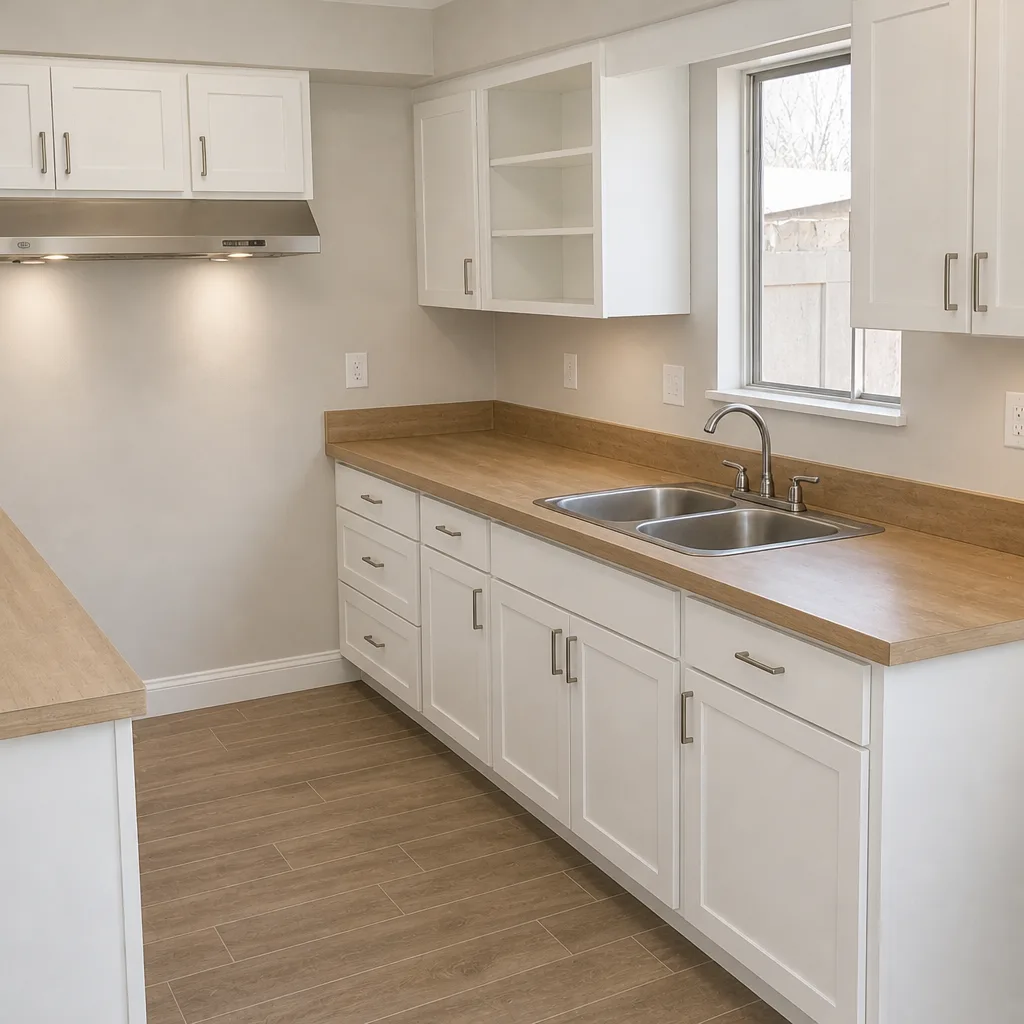
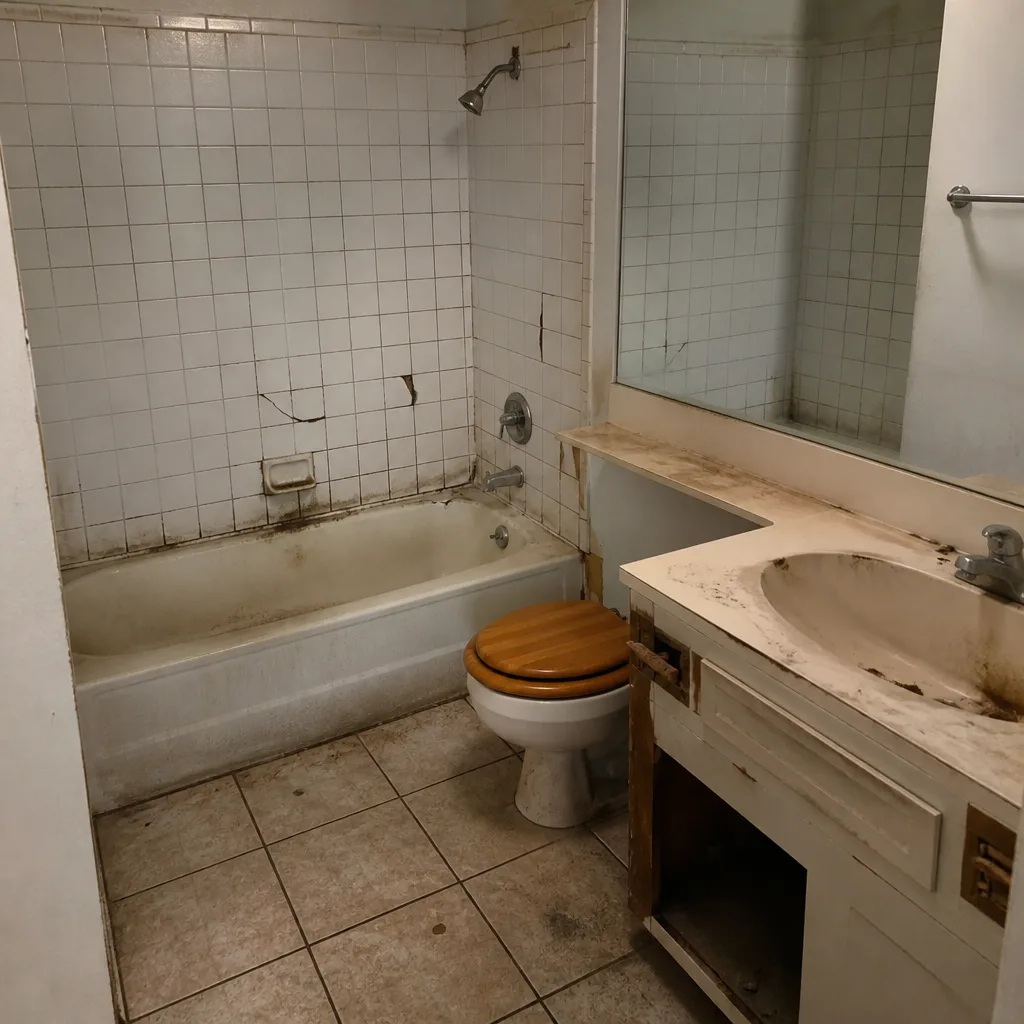
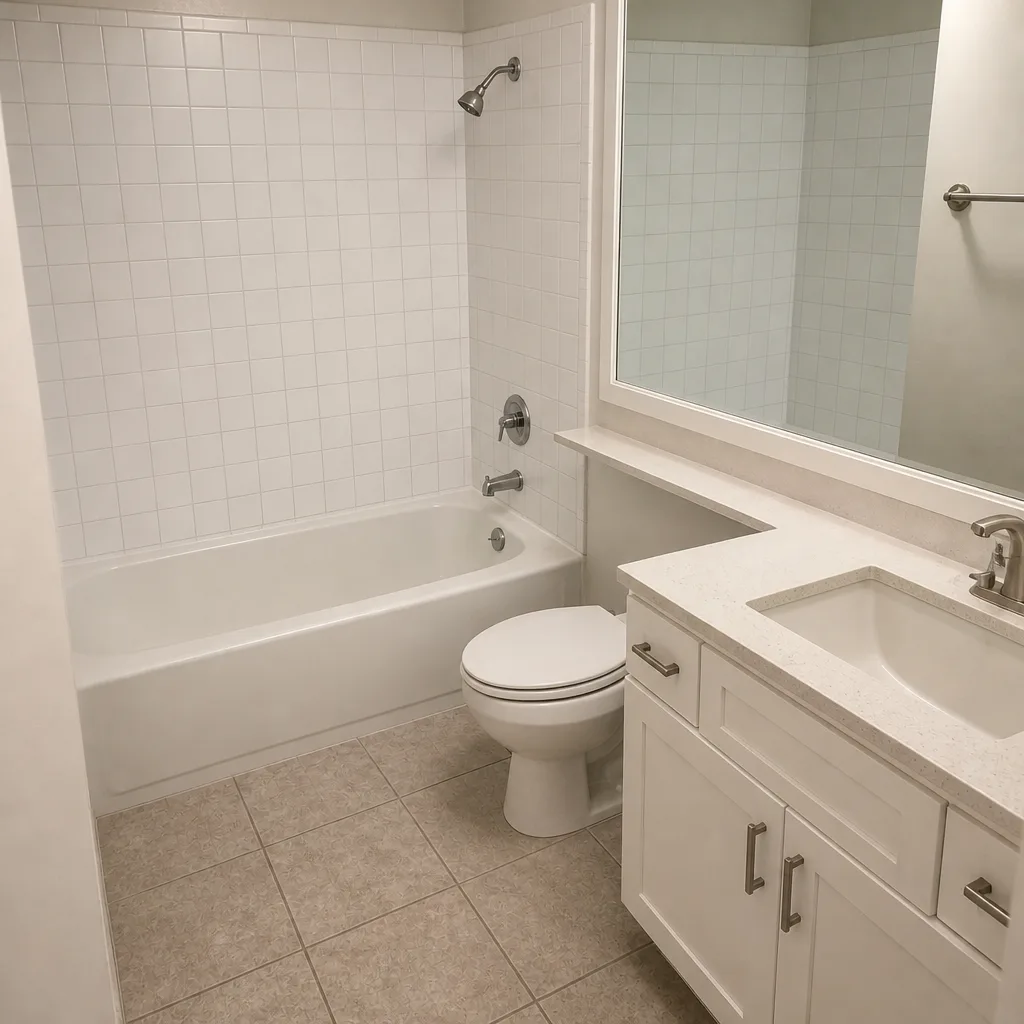
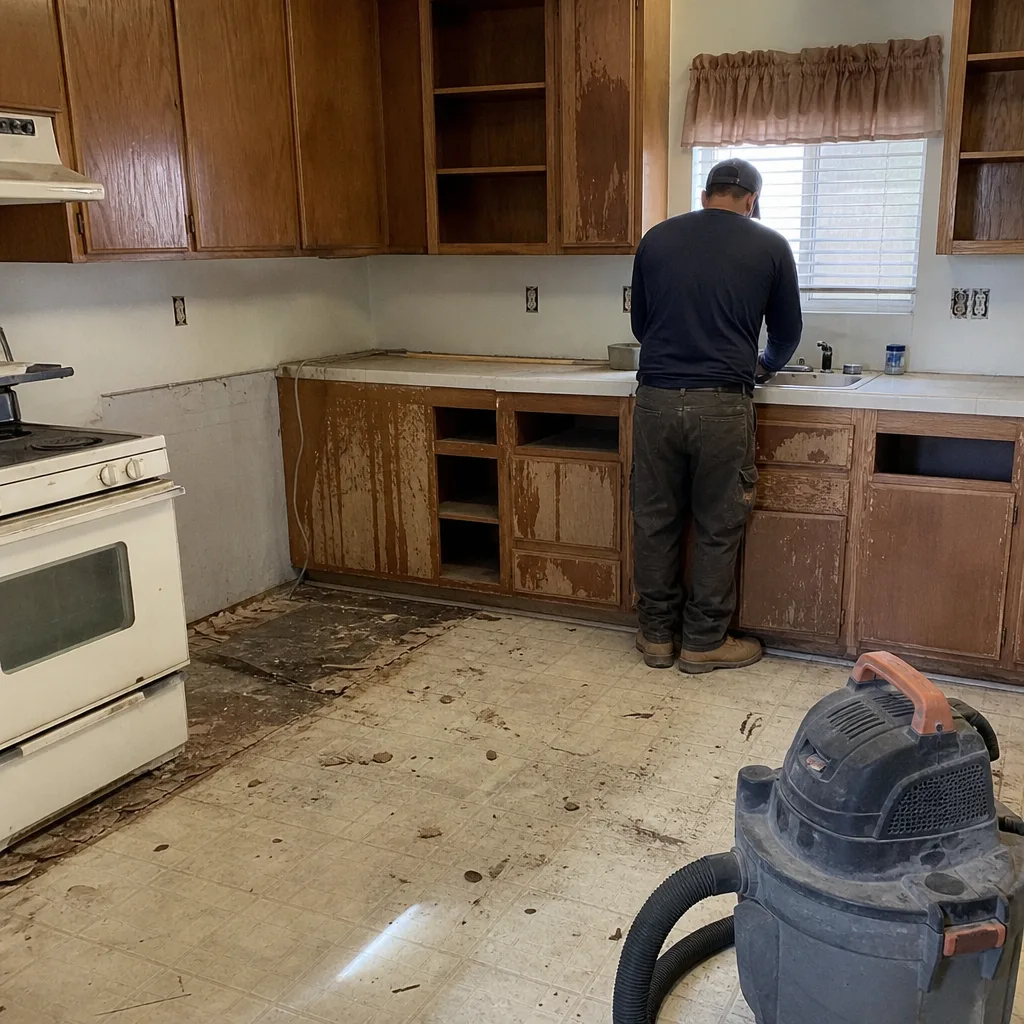
See the difference
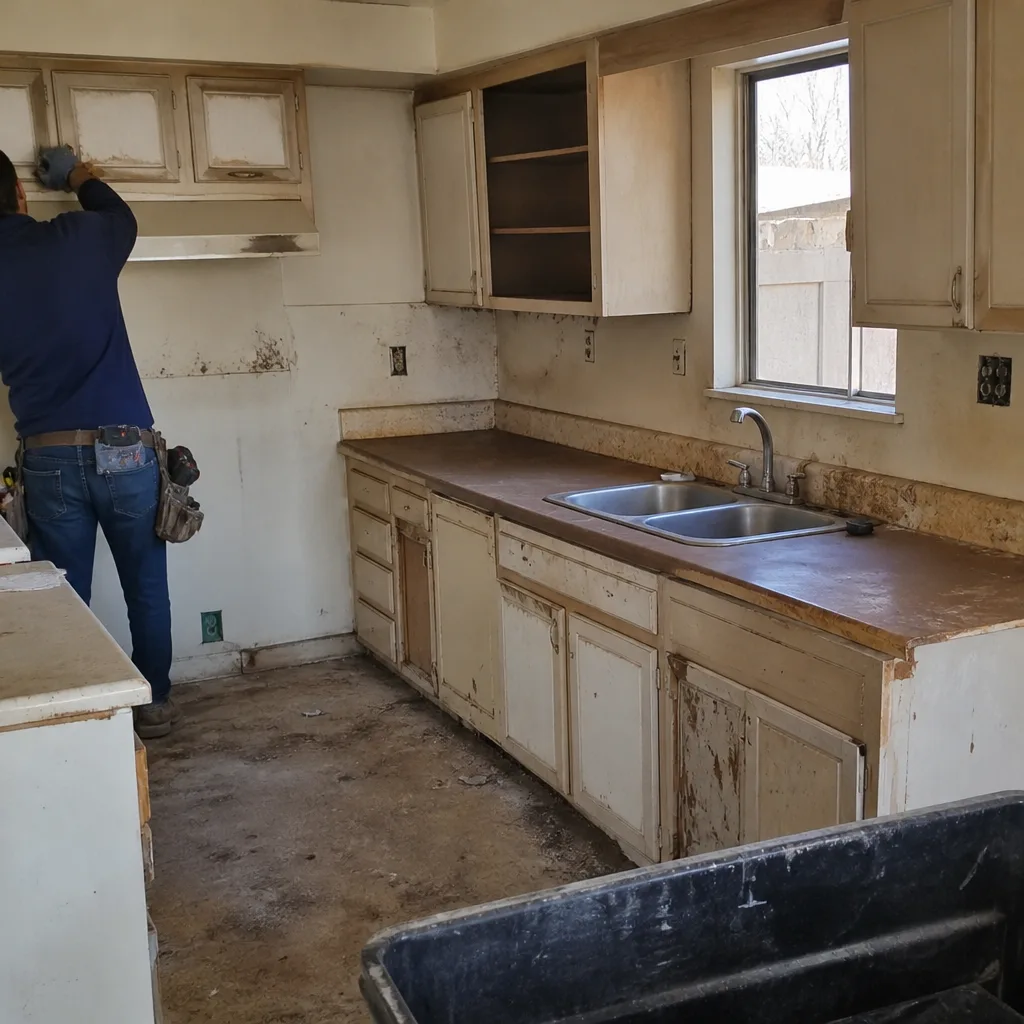 Before
 After
 Before
 After
 Before
 After
When to Call a Professional
Some scopes make the call obvious. A full reroof, a kitchen or bathroom remodel where waterproofing or gas is involved, any window replacement that changes the opening, a home addition or ADU build, full fence installation with post holes and concrete, and a paver driveway that requires base excavation and compaction – all of these land in the professional column for most Henderson homeowners. Not because DIY is wrong, but because the equipment, the permits, the warranty paperwork, and the inspection sequence all push toward an experienced crew.
The calculation flips the other way plenty of times. Interior painting, landscaping, minor tile repair, and small fence fixes are all safe to handle without a contractor, and we say so when a homeowner asks.
For the projects that land the other way: Construction Henderson offers free estimates in Henderson. Call (833) 733-3914. We answer 24/7. Fast dispatch from 7am to 7pm, Sunday through Friday.
Frequently Asked Questions
In most cases, yes – and you should use one even where owner-builder allows otherwise. Nevada’s owner-builder exemption covers a primary residence, but roofing manufacturers including GAF and Owens Corning require certified contractor installation for their top warranty tiers, and Henderson permits for a reroof commonly expect a licensed sign-off on the final inspection. A homeowner who completes the install without certification passes inspection and loses the warranty coverage that mattered in the first place. Call (833) 733-3914 for a free reroof estimate and to compare that pathway side-by-side.
Legally yes, but in practice most Henderson homeowners don’t come out ahead. The base layer requires proper compaction with a plate compactor sized for the depth, and caliche soil makes excavation heavier than in most markets. A driveway that fails on the base has to be torn out and redone, and the correction premium usually exceeds the original professional quote. Call (833) 733-3914 for a free driveway estimate before you rent equipment.
Interior painting, landscaping, minor tile repair within an existing waterproofing system, and small fence repairs are all genuinely safe for DIY work. The line sits where a project touches the building envelope, the waterproofing assembly, structural elements, or a manufacturer warranty. If the project doesn’t cross that line, there’s no reason to hire us just for the pleasure of a signature.
Remodel pricing varies too much by scope, material level, and home condition to give a single number here – the written estimate is the real answer, and it’s set per job. The useful comparison is that a professional quote includes permits, materials, labor, cleanup, and warranty coverage in one document, while a DIY budget usually names only the first two. Call (833) 733-3914 to schedule a free estimate and see the full scope in writing.
No – we hold the number on the written estimate, and change orders only happen if the scope changes at the homeowner’s request. The way to prevent surprises is to write the estimate as a line-item from the start: materials, labor, permits, disposal, and any contingencies all listed. Call (833) 733-3914 for a free line-item estimate on your project.
Yes. We pull permits and walk every required inspection through to a passing final report. That covers the rough-in, the energy and insulation inspection where applicable, and the final walkthrough – and it includes the paperwork a homeowner doing owner-builder work would otherwise be responsible for. Call (833) 733-3914 to talk through what your project’s permit sequence looks like.
The Bottom Line
The DIY vs professional decision in Henderson comes down to three questions: does the project require a licensed contractor, does the manufacturer require certified installation to honor the warranty, and does the site condition reward proper equipment. Roofing, window replacement, waterproofing systems, home additions, and full paver or fence installs land in the professional column for most homeowners. Painting, landscaping, minor tile, and small fence repairs belong in the DIY column. The middle of the market – kitchens, bathrooms, larger flatwork – rewards an honest conversation about scope before a single material gets purchased. One contractor, every scope, one estimate that holds still. That’s the simplest answer we can give, and it’s the one that turns out best most often.
Construction Henderson covers every major home improvement from roofline to driveway, with 50+ vetted manufacturer relationships behind every specification. Call (833) 733-3914 for a free estimate. We answer 24/7. Fast dispatch from 7am to 7pm, Sunday through Friday.
Written by the team at Construction Henderson.