
Last updated November 17, 2026
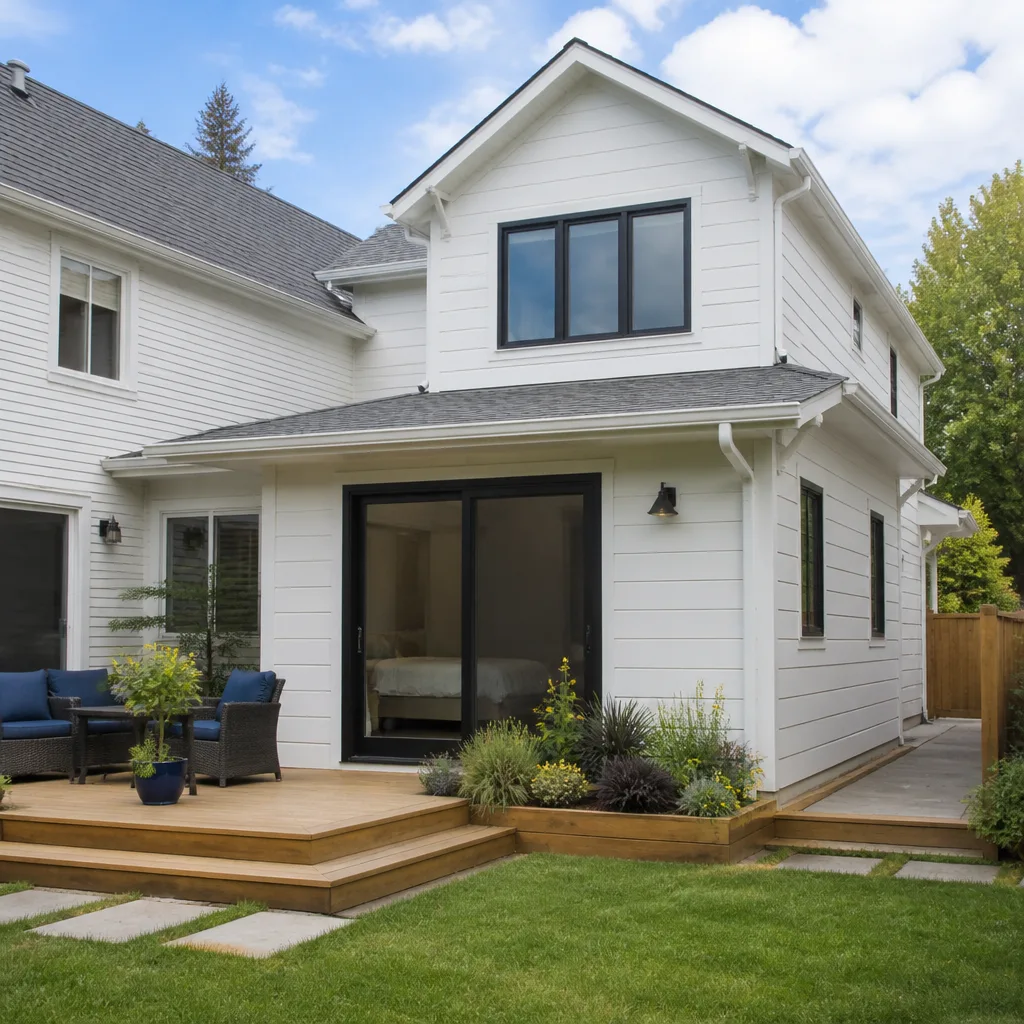 Home additions & ADU
 Kitchen remodeling
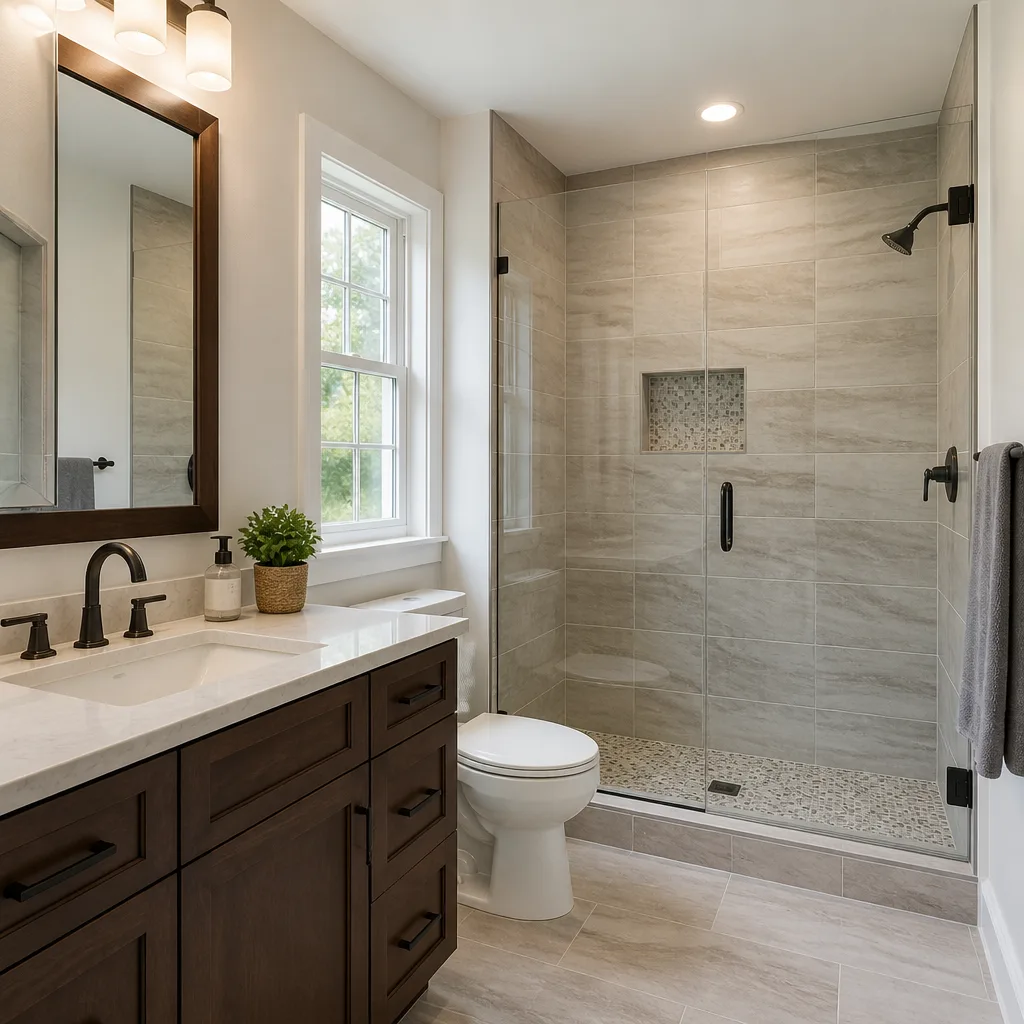 Bathroom remodeling
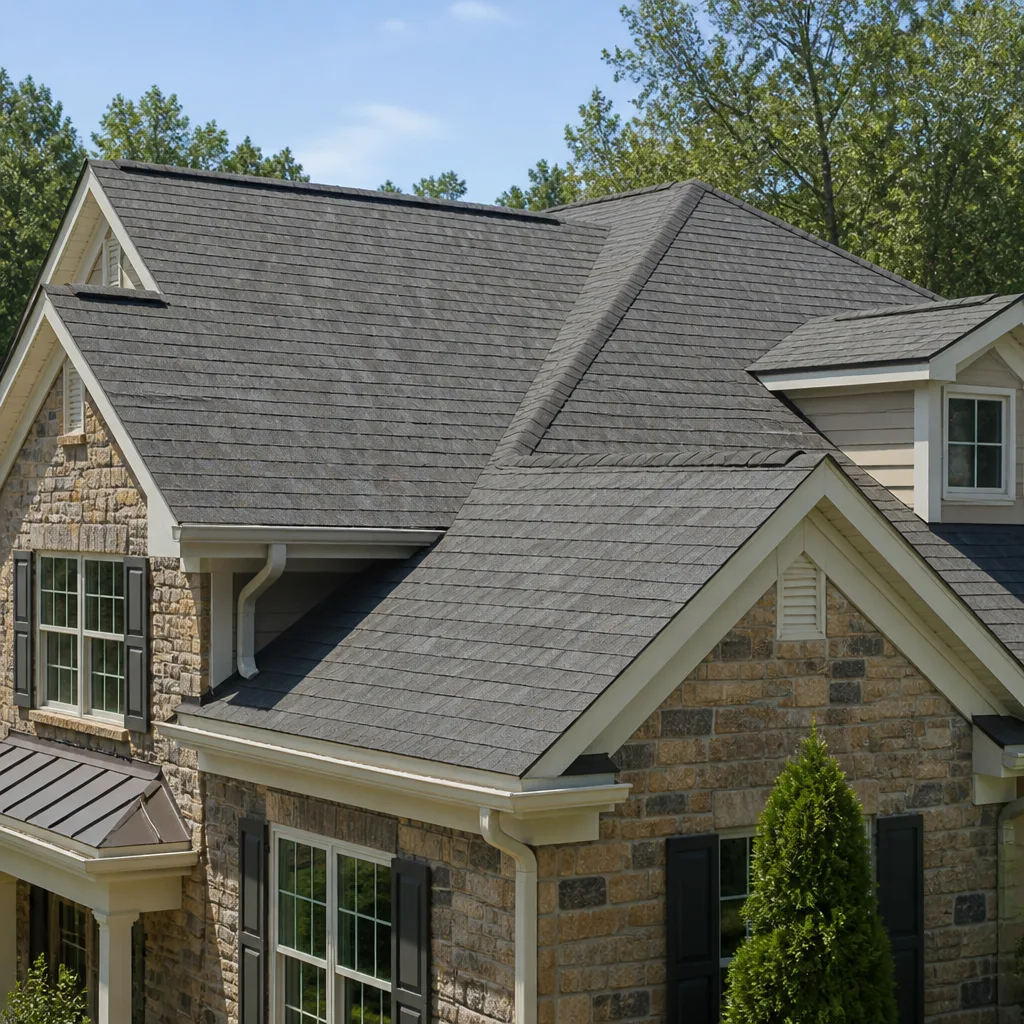 Roofing
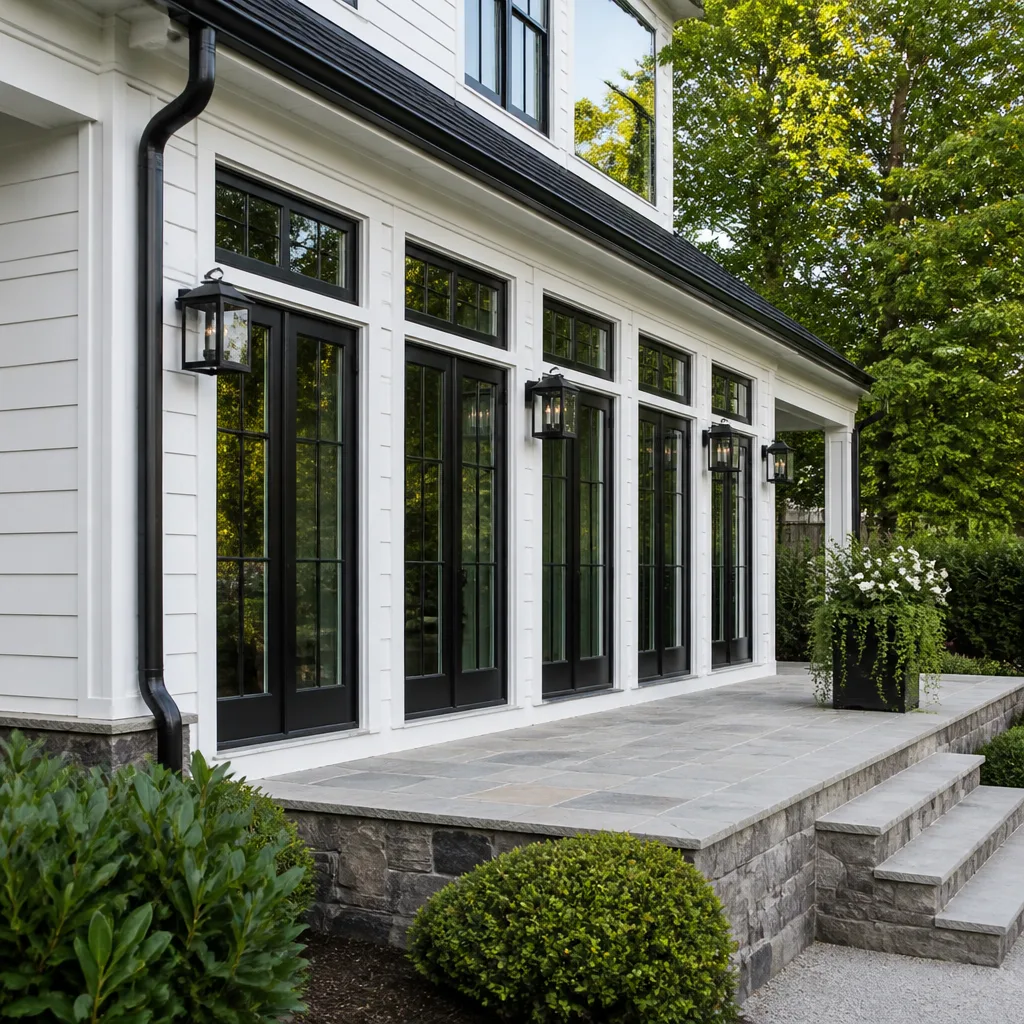 Windows & doors
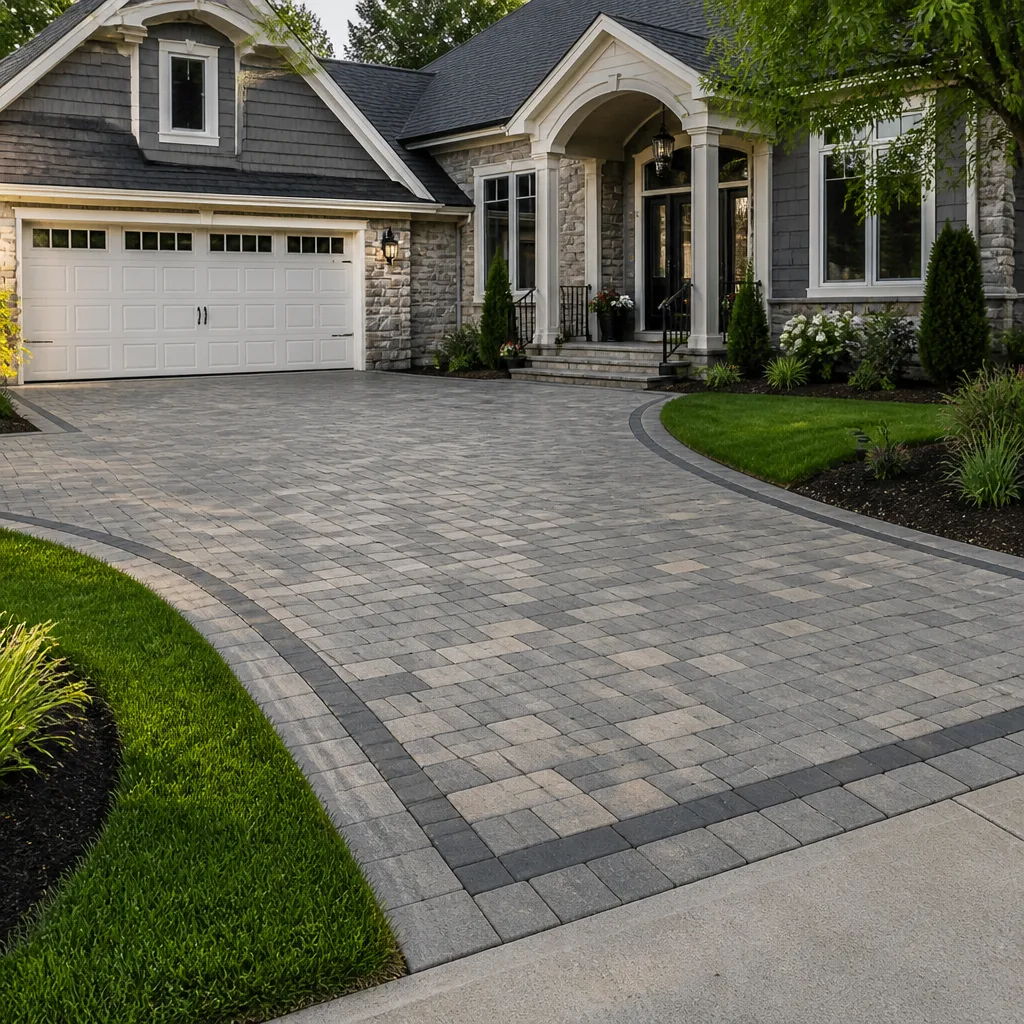 Driveway & pavers
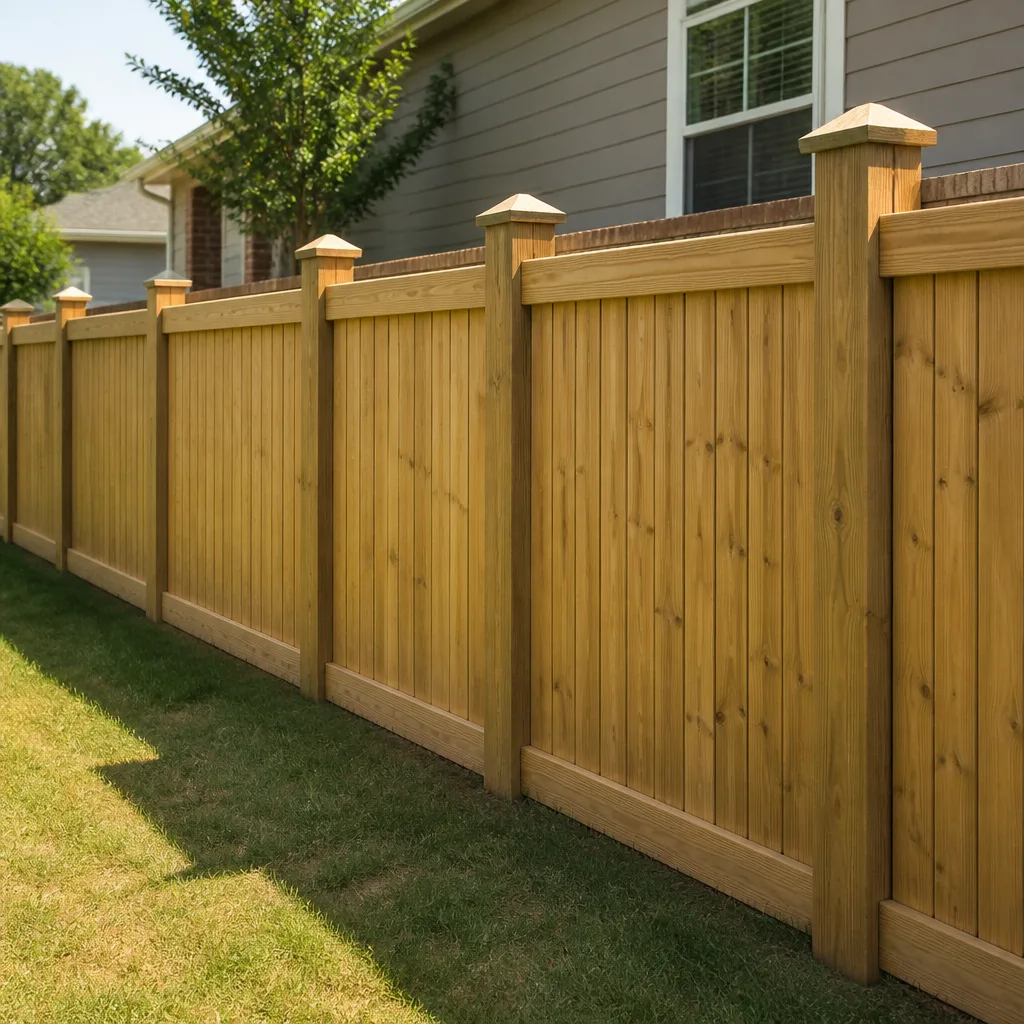 Fence
Free written scope consultation - allowances, timeline, and change-order rules on paper before a single trade is scheduled
Seasonal Construction Care for Henderson: Year-Round Homeowner’s Guide
Most Henderson homeowners think of the year as four seasons. In practice, this valley hands you two mild, narrow work windows bracketed by a long, punishing summer and a short, frost-touched winter. The builders and remodelers who understand that structure finish caulking, sealing, membrane work, and fastener inspections at the exact moment materials cure correctly and surfaces are still accessible. Miss the window and you’re applying product into 108°F heat or washing sealant off in a monsoon cell. This guide maps each of Henderson’s real seasonal conditions to the specific parts of your house they stress, from roofing and driveway pavers to stucco penetrations and fence lines, and tells you when to schedule each task for the best result.
Quick Answer
Seasonal construction care in Henderson comes down to two narrow work windows: late March to early April for sealing, caulking, and adhesive products that need moderate heat to cure, and October through November for exterior paint, paver sealing, and fence stain. In between, May is for roof and attic ventilation inspection before sustained 110°F periods, July through September is for drainage and grading checks during monsoon season, and December through February is for frost-related checks on irrigation lines and north-facing flatwork. Schedule preventive work around those windows and most premature failures never happen.
Styles & brands we work with
- Kitchen remodeling
- Bathroom remodeling
- Home additions & ADU
- Roofing
- Windows & doors
- Driveway & pavers
- Fence
Table of Contents
- Why Henderson’s Calendar Is Not Four Equal Seasons
- The Spring Window (Late March to Early April): The Best Six Weeks of the Year
- Pre-Summer (May): Roof Fasteners, TPO Seams, and Attic Ventilation
- Monsoon Season (July to September): Drainage, Gutters, and Site Grading
- The Fall Window (October to November): Paint, Seal, and Stain Timing
- Winter (December to February): Frost, Backflow, and North-Facing Concrete
- Exterior Scope: Driveways, Pavers, and Fencing on the Seasonal Clock
- Know When a Check Becomes a Replacement
Why Henderson’s Calendar Is Not Four Equal Seasons
Henderson sits in a high desert valley where the summer is long, the winter is short, and the usable construction calendar is squeezed into two windows. That shapes what fails and what lasts. Late March and April are when the UV index climbs from comfortable to intense, and it happens fast. Once the sun is bearing down and the overnight lows stay warm, sealers, caulks, and construction adhesives off-gas and skin over before they bond properly. Late October and November reverse the process: relative humidity and UV drop back into the range most manufacturers print on the label, which is why exterior paint, paver sealant, and fence stain behave so differently then than they do in June.
Run the year together and a pattern emerges. A homeowner who paints the fence in July is fighting flash-drying and lap marks. The same homeowner painting in November gets a uniform film that holds for years. The difference is not the product, it’s when the product hits the surface. We’ve watched this play out across Henderson neighborhoods of every age and type, from the west-side streets around Green Valley to the newer build-out near Inspirada and Lake Las Vegas. The task list doesn’t change much. The calendar for doing it does.
There’s a second local factor: the swing between the daily high and the overnight low. In spring and fall, that swing is wide enough to stress joint sealant, driveway control joints, and the caulk around windows and doors. Movement shows up as hairline cracks in early summer if the spring sealing was skipped. So the goal of the seasonal plan isn’t just cosmetic upkeep. It’s getting each material into its ideal curing range before the extreme part of the year arrives.
The Spring Window (Late March to Early April): The Best Six Weeks of the Year
This is the single most important stretch on the Henderson calendar. Whether a sealer, caulk, or adhesive cures to its rated performance depends heavily on surface temperature, ambient temperature, and how fast the product skins over. In late March and early April, overnight lows are still cool enough to let a solvent or water-based product flow into joints and pores, and daytime highs haven’t yet hit the range where the surface dries from the top down before the bond forms. Most caulk and sealant manufacturers print an application temperature range on the tube, and this window is when Henderson homes reliably sit inside it.
Tasks that belong in this window:
- Re-caulking stucco penetrations at window frames, hose bibs, dryer vents, and electrical boxes. Sun-baked stucco pulls away from penetrations over a summer, and a spring re-caulk closes the gap before monsoon rain.
- Sealing concrete driveways and flatwork after cleaning and letting the slab dry. A cured penetrating sealer slows UV oxidation and reduces surface scaling.
- Resealing wood or composite decks and any exposed trim joints.
- Checking the roof flashing at penetrations while it’s still possible to be on the roof comfortably.
- Inspecting and touching up paint at fascia and soffit joints, which are most vulnerable right before the heat takes hold.
Product temperature requirements matter more than most people realize. If a sealant is rated for application between roughly 50°F and 80°F, applying it at 95°F gives you a surface that looks finished and cures badly underneath. The bond is what fails, usually six months later, and it fails invisibly until water gets into the wall assembly. Our technicians have up to 14 years of experience and can advise on which products suit your specific surfaces and which should wait for the fall window.
Pre-Summer (May): Roof Fasteners, TPO Seams, and Attic Ventilation
May is the last month to inspect a Henderson roof under bearable conditions before sustained 110°F days make both the work and the surface unsafe. The focus shifts from “is there a leak” to three specific failure points that heat stress amplifies.
- Fastener pull-through on OSB decking. When a roof deck cycles through thermal expansion and contraction over enough seasons, fasteners can begin to loosen and the nail or screw head can pull through the panel. A pre-summer inspection catches this before the next wind event lifts shingles.
- TPO membrane seam integrity on flat or low-slope sections. If your home has a flat-roof section or an attached patio cover, TPO seams are the single most likely leak point. Seams that survive a summer are the ones properly welded and inspected in spring.
- Attic ventilation adequacy. A valley home with an under-ventilated attic traps heat and drives up interior temperatures. Ridge vents, soffit vents, and any exhaust fan need to be clear before the long hot stretch. Check that soffit vents aren’t blocked by insulation.
Roofing systems across the major brands – GAF, CertainTeed, Owens Corning, IKO, Atlas, Tamko, and Boral – each carry different warranty terms and different installation requirements, and part of the pre-summer inspection is confirming the roof still matches what was installed. If a section needs replacement, our Construction Henderson team can specify a matching system from the appropriate brand rather than piecing it together from whatever’s available. Attic ventilation upgrades often pair well with a roof replacement, so it’s worth thinking about both together.
Monsoon Season (July to September): Drainage, Gutters, and Site Grading
Henderson’s summer storms are short, intense, and concentrated. A single convective cell can drop an inch or two of rain in a short period, and that rate overwhelms drainage that was designed and sized for much gentler rainfall. Most residential gutters, downspouts, and site grading assume roughly half an inch per hour. When the rate is double or triple that, water stacks up, spills over, and finds the low spots – which in many Henderson yards are the same spots every year.
Before the first significant monsoon week, check these:
- Gutter flow and downspout discharge. Water should exit the roof and get at least several feet away from the foundation. A downspout that dumps at the slab edge turns a minor storm into a landscape washout.
- Site grading and swales. Grading should slope away from the house on all sides. If a swale has filled with gravel or vegetation, it stops doing its job.
- Window and door weatherstripping. Monsoon rain often arrives horizontally, so wind-driven water finds gaps that a vertical rainstorm never touches.
- Stucco crack sealing. Any crack wider than a hairline should be sealed before the first storm, not after.
If the drainage is failing, don’t wait for the storm to finish. Call (833) 733-3914. We answer 24/7. Fast dispatch from 7am to 7pm, Sunday through Friday. We can look at the grading, the gutter system, and the roofline together and give you a written line-item quote on any repairs.
The Fall Window (October to November): Paint, Seal, and Stain Timing
The fall window reverses the spring calendar. Now you want products to cure slowly, not quickly, and October through November is when daytime temperatures, relative humidity, and UV fall into the range most exterior product manufacturers specify. This is the window for anything that benefits from extended dry time and even film formation.
Tasks that belong in this window:
- Exterior painting of fascia, siding, and trim. Warm but not hot days let paint flow and level, producing an even coat with no lap marks.
- Paver sealing for driveway and patio hardscape. Belgard, Unilock, and Tremron all recommend sealing after installation or re-sealing on a schedule, and fall is the season when sealant soaks in evenly instead of flashing.
- Fence stain or seal on wood fencing. Fall application prevents the yellowing and blotching that happens when stain dries too quickly in summer.
- Concrete sealing on driveways and patios, if it wasn’t done in spring.
- Stucco patching and touch-up paint at any location where the summer revealed a crack.
Fall is also the season to check exterior trim details that only fail in cooler weather, like window frame gaskets and door thresholds. The thermal movement that shows up in summer sometimes reveals itself differently when the overnight lows drop. If fall reveals a failing surface – a crumbling fascia, a paver that’s come loose, a fence post that’s heaved – that’s the moment to schedule, not the moment to patch and hope.
Winter (December to February): Frost, Backflow, and North-Facing Concrete
Henderson’s winter is short but real. Overnight lows regularly dip near freezing, and the parts of the property most exposed to those hours – plumbing on exterior walls, irrigation lines, and flatwork that doesn’t see the sun – take the damage. The winter checklist is smaller than the others and mostly about preventing a single frozen morning from becoming a spring repair.
- Irrigation backflow preventers. The above-ground backflow preventer is the first thing to freeze. Drain or winterize it before the first hard freeze, and check the housing for cracks in early spring.
- Exposed PVC conduit and exterior plumbing. Any sun-degraded PVC line on the exterior wall gets brittle and is more likely to crack when the temperature drops.
- North-facing flatwork. Concrete on the north side of a house stays colder and damper longer. That’s where surface scaling and spalling show up first, especially if a sealer coat has thinned out.
- Tree and shrub trimming near structures. Winter is the right time to prune back anything that hangs over the roofline or grows into the fence line.
- Attic and crawl space moisture check. A brief, cool season is the easiest time to get into the attic and look at the underside of the roof deck.
Frost doesn’t do dramatic damage in Henderson the way it does in higher elevations, but it finds the weak points: a hose bib that wasn’t covered, a pipe chase that wasn’t sealed, a paver joint that was already loose. Early February is a good time to walk the property and note what needs attention for the spring window.
Exterior Scope: Driveways, Pavers, and Fencing on the Seasonal Clock
The exterior of a Henderson home is the most climate-exposed part of the investment, so it gets the most seasonal attention. Here’s how the calendar maps onto those surfaces.
Driveway and pavers. A concrete driveway in Henderson takes UV and thermal cycling at a rate that surprises people moving from milder climates. Spring and fall sealing slows that oxidation and stabilizes the joints. Whether you’re resealing existing pavers or planning new installation, the product range matters – our driveway & pavers selection includes designer-grade pavers from Belgard, Unilock, and Tremron, and a written line-item quote shows exactly what’s specified.
Fencing. Wood fence stain wants the fall window. Vinyl and composite fencing want the spring window for any post-setting or repair work, because the material needs moderate afternoon temperatures to expand and settle into its posts correctly. For new fence work, our fence installation uses name-brand materials including ActiveYards, and the install schedule should be planned around which side of the seasonal calendar you’re on.
Windows and doors. Exterior caulking and gasket work belongs in the spring window. Full window or door replacement is usually a fall-to-spring project because it’s best done outside the sustained heat. Impact-rated window and door brands like PGT, CGI, ECO Window Systems, and Therma-Tru all specify installation conditions, and part of the job is confirming the conditions are right.
Know When a Check Becomes a Replacement
Seasonal inspection exists to keep you ahead of failure, not to keep patching the same part of the house every year. A few signals mean the check has become a replacement conversation:
- Caulk that fails every season. If you’re re-caulking the same window or stucco penetration each spring, the substrate is moving and a proper repair is the fix.
- Paver sinking or lippage at the driveway edge. Once the base is compromised, re-sealing won’t fix the dip – the base needs rebuild.
- Fencing that’s leaning after wind events. A single post re-set can solve a lean once; repeat leans point to a post-footing problem that gets worse over the years.
- Shingle granule loss and repeated fastener issues. That’s a roof that’s past inspection. Specify a matching GAF, CertainTeed, or Owens Corning system rather than a patch.
- Attic temperature climbing each summer. Ventilation is undersized for the home, and it will keep driving bills up until it’s corrected.
- Addition or ADU on the horizon. If you’re planning to add living space, understand both the stick-built and prefab paths – our home additions & ADU team works with traditional construction as well as partners like Abodu, Dvele, Mighty Buildings, Boxabl, and Plant Prefab.
Knowing which problems are seasonal maintenance and which are construction is the difference between an annual patch routine and a home that holds up. When in doubt, get an inspection and a written estimate rather than guess.
Common Mistakes to Avoid
- Applying exterior caulk in June. The surface skins over before the bond forms, so it looks finished but fails within a season or two. Spring is the correct window.
- Sealing the driveway right before monsoon season. A fresh sealer needs time to cure and any moisture that gets under it during a heavy rain can lift the film. Spring, with weeks of dry weather ahead, is safer.
- Ignoring attic ventilation before the first 110°F week. Under-ventilated attics trap heat and stress both the roof deck and the interior cooling load. Check it in May, not August.
- Painting exterior trim in full summer sun. Even premium paint applied at 105°F flashes and lap-marks. Fall is the correct window, and the finish lasts years longer.
- Letting a downspout discharge at the slab. One monsoon storm can undermine the base beneath a driveway or patio slab. A short extension is a minor fix; a slab is not.
- Skipping the irrigation backflow preventer. One hard freeze cracks the housing, and the leak often appears only in spring. Winterize before the first overnight freeze.
- Mixing exterior brands across a project. Sourcing pavers from one supplier and fencing from another can lead to color and finish mismatches. Specify from a coordinated manufacturer set from the start.
See the difference
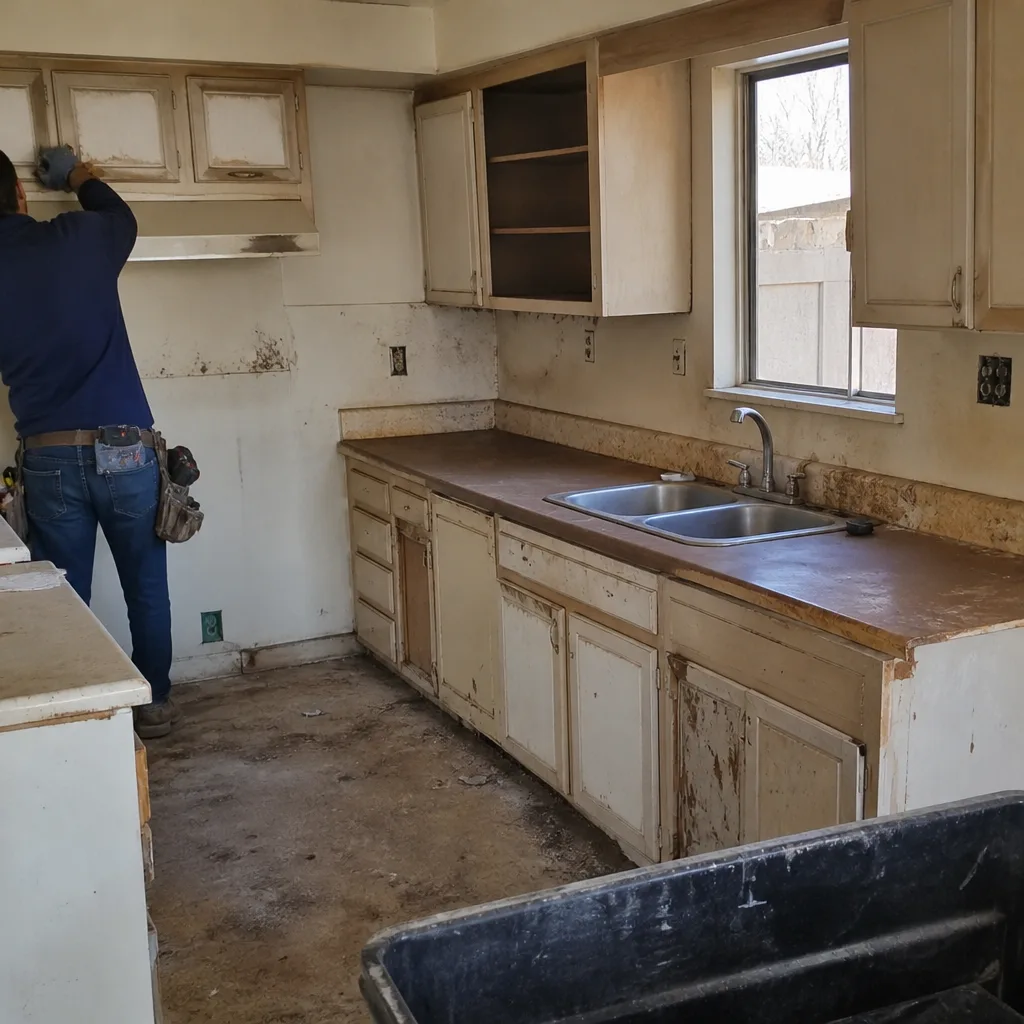 Before
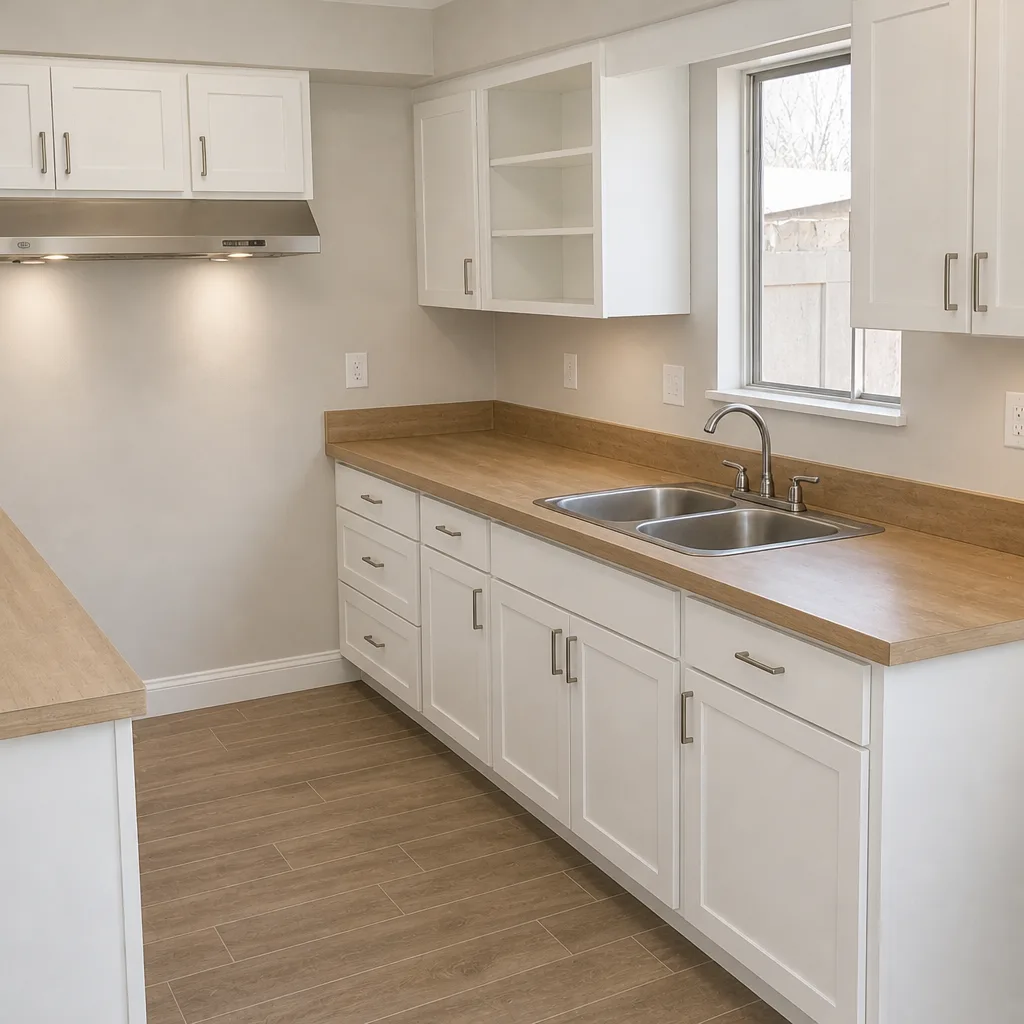 After
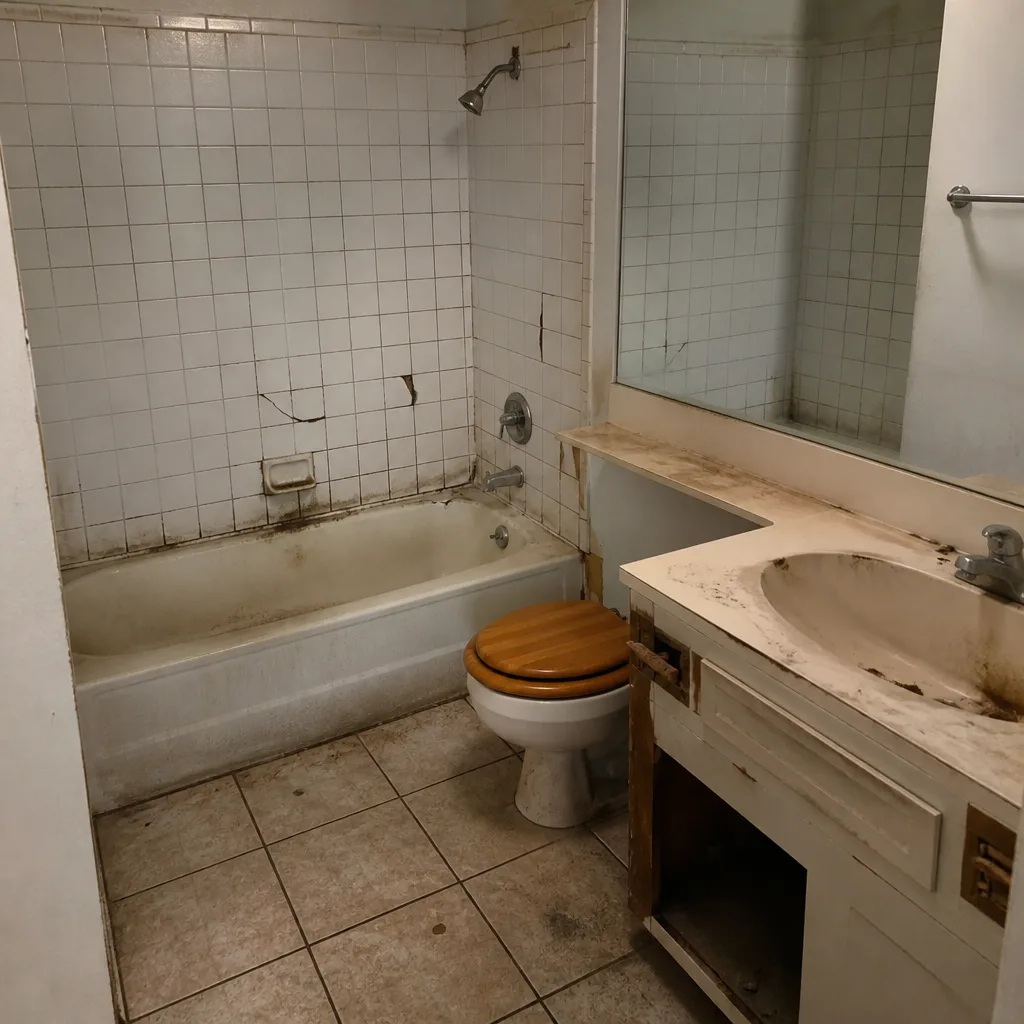 Before
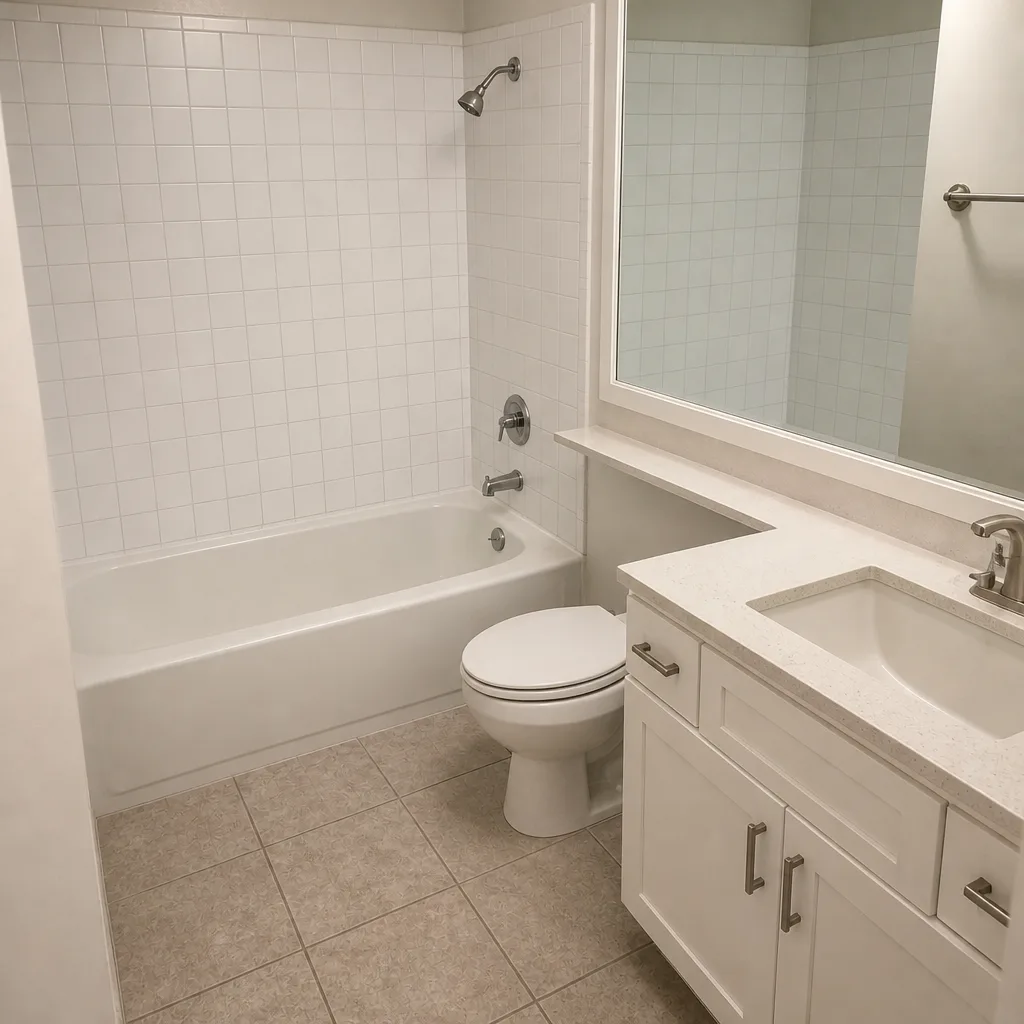 After
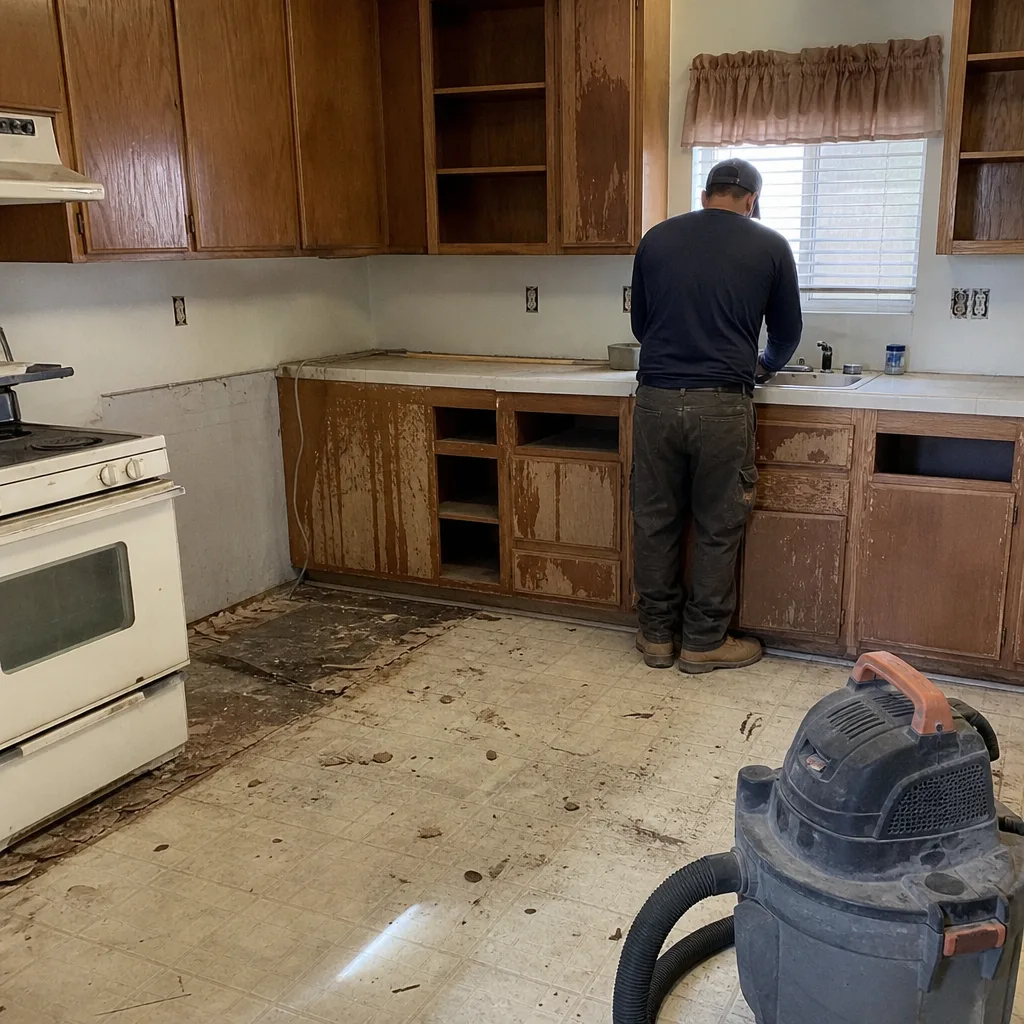 Before
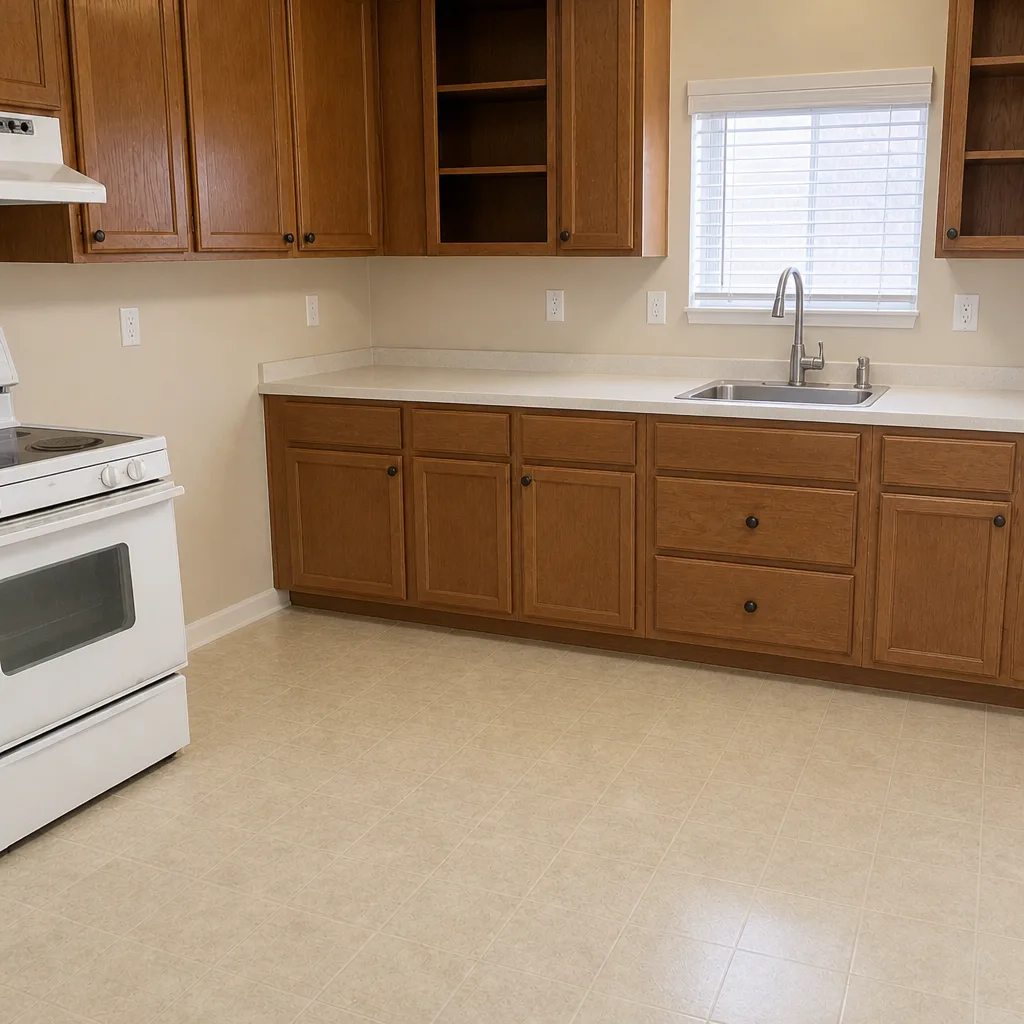 After
When to Call a Professional
Some seasonal checks are DIY territory. But several sit on the wrong side of safe or correct. Roof inspections that require walking the surface, fastener pull-through assessment on OSB decking, TPO seam welding, attic ventilation design, and any electrical work tied to ventilation all need a trained professional, and steep-roof work is genuinely dangerous. Fence posts that have heaved or pulled loose, driveway base failures, and paver lippage usually need a rebuild, not a patch. And any task tied to structural caulking or stucco penetrations is best done by someone who can tell whether the substrate is sound, not just seal it. Construction Henderson offers free estimates in Henderson – call (833) 733-3914. We’ll give you a written line-item quote so you know what’s seasonal maintenance and what’s a real repair. Our technicians have up to 14 years of experience across the seven categories we handle.
Frequently Asked Questions
October through November is the best time to paint an exterior in Henderson. The UV drops, humidity is up slightly, and daytime temperatures stay inside the range most exterior paint manufacturers specify. Painting in full summer heat causes the film to flash and lap-mark, and painting in a cool desert winter can prevent a proper cure. If you need a full repaint, schedule a free estimate early and plan the work for the fall window. Call (833) 733-3914 to book one.
Seal a concrete driveway in Henderson in either late March to early April or October to November. Both windows let the sealer cure properly before the extreme heat of summer or the overnight freezes of winter. Sealing in high summer risks a film that cures too quickly on the surface and stays soft underneath. Call (833) 733-3914 for a free estimate on driveway sealing or on new driveway & pavers installation.
Monsoon-season storms in Henderson are short and intense, and a single cell can drop one to two inches of rain quickly. That’s double or triple the rate that most residential gutters and grading are designed to handle. The practical response is to make sure gutters are clear, downspouts discharge well away from the foundation, and site grading still slopes away from the house. Call (833) 733-3914 for a drainage inspection before storm season starts.
Yes. Henderson does see overnight freezes each winter, and the above-ground backflow preventer on an irrigation system is reliably the first thing to crack. Draining or winterizing it before the first hard freeze prevents a spring repair. Check the housing and the exposed line for cracks once temperatures start to warm. Call (833) 733-3914 if you find damage and want a quote on the repair.
Inspect the roof in May, before the sustained 110°F days arrive. The pre-summer inspection should focus on fastener pull-through on OSB decking, seam integrity on any flat or low-slope TPO section, and whether attic ventilation is adequate. Late March and early April are also good for a quick check of flashing at penetrations. If the roof needs repair or replacement, specify a matching system from GAF, CertainTeed, or Owens Corning rather than a patch of mixed material. Call (833) 733-3914 for a free estimate.
Yes. Construction Henderson handles the exterior and interior scopes together, from roofing, windows and doors, fencing, and driveway and pavers to kitchen remodeling, bathroom remodeling, and home additions and ADUs. That means the company that inspects your roof in spring can also handle the fence replacement and the driveway resurfacing under one contract with one point of contact. Call (833) 733-3914. We answer 24/7. Fast dispatch from 7am to 7pm, Sunday through Friday, and estimates are always free.
The Bottom Line
Henderson’s construction calendar is short, and the two work windows matter more than which product you buy. Late March to early April is for sealing, caulking, and anything that needs moderate heat to bond. October and November is for exterior paint, paver sealer, and fence stain. Build a May inspection around roof fasteners, TPO seams, and attic ventilation. Do drainage and grading checks in July and August, before the storms arrive. Winterize the backflow preventer and walk the north-facing flatwork every December. Get those five seasonal checkpoints on the calendar and most of the expensive failures never get a chance to start. If this year’s inspection reveals a repair, call (833) 733-3914. We answer 24/7. Fast dispatch from 7am to 7pm, Sunday through Friday. Estimates are free and the written line-item quote sets the final price.
Written by the team at Construction Henderson.