
Last updated November 17, 2026
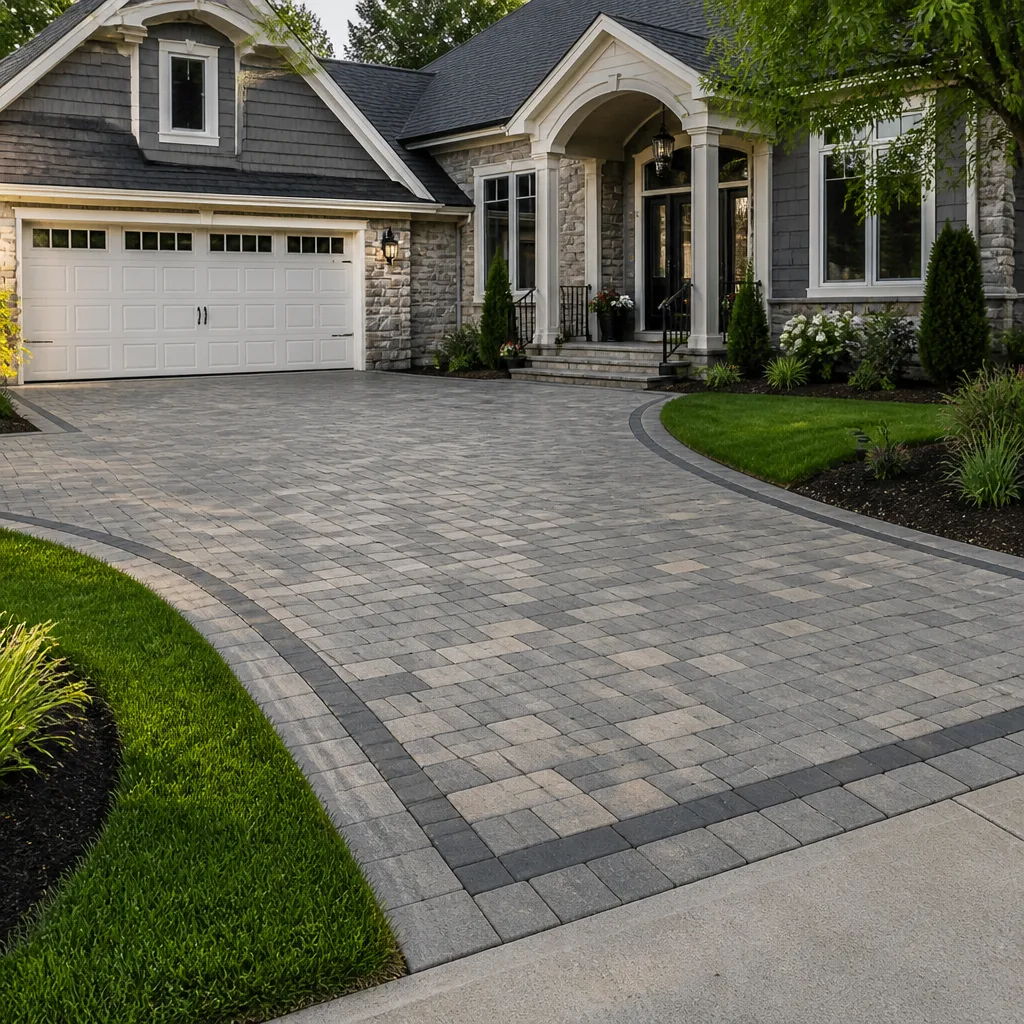 Driveway & pavers
 Kitchen remodeling
 Bathroom remodeling
 Home additions & ADU
 Roofing
 Windows & doors
 Fence
Free written scope consultation - allowances, timeline, and change-order rules on paper before a single trade is scheduled
The Complete Driveway & Pavers Guide for Henderson Homeowners
Most paver guides tell you to dig four inches of base, compact it, and lay the stone. In Phoenix, that advice holds up. In Henderson, it often doesn’t. The reason is caliche: a cemented calcium-carbonate layer that sits under much of the valley and behaves nothing like ordinary soil. Water can’t drain through it. A base built on top of it without the right excavation and drainage detailing will heave and shift after a couple of hard monsoon seasons. Very few guides mention caliche once, and almost none treat it as the variable that decides how your driveway should be built. This guide works backward from Henderson’s actual ground and heat, then to base depth, paver material, polymeric sand, and HOA approval.
Quick Answer
A paver driveway in Henderson needs a base excavated deep enough to clear or break through the caliche layer, compacted in lifts, and detailed for drainage, because caliche won’t let water pass. For a desert climate with 110°F-plus surface temperatures, concrete pavers rated for high compressive strength outperform clay brick, and porcelain pavers need careful specification. Polymeric sand must be a desert-grade formula built to resist summer microbursts. Our technicians have up to 14 years of experience with this ground, and we specify materials against the actual soil and heat rather than a generic chart.
Styles & brands we work with
- Kitchen remodeling
- Bathroom remodeling
- Home additions & ADU
- Roofing
- Windows & doors
- Driveway & pavers
- Fence
Table of Contents
- Why Caliche Changes Everything About a Henderson Driveway
- Concrete, Clay, or Porcelain: Paver Materials Rated for Henderson Heat
- How Deep Does the Base Need to Be?
- Polymeric Sand for Desert Climates
- HOA Requirements in Henderson’s Master-Planned Communities
- Manufacturer Specs: What to Specify for a Driveway
- What a Paver Installation Actually Involves
- Common Mistakes to Avoid
Why Caliche Changes Everything About a Henderson Driveway
Caliche is a naturally cemented layer of calcium carbonate that forms in arid soils where water evaporates and leaves minerals behind. It can sit a few inches down or several feet down, and its hardness varies from crumbly to something closer to weak concrete. When you excavate for a paver driveway, you find out quickly which kind you have. A base compacted on top of a caliche shelf holds a pocket of trapped water after every rain. That water migrates, the base softens unevenly, and the pavers above telegraph the movement as dips and rocking stones.
What this means for a job in Henderson comes down to a few practical points:
- Identify the layer before you quote the excavation. A test hole dug to the full proposed base depth shows exactly where the caliche is and how hard it is. Skip that step and the excavation depth becomes a guess.
- Break through or cap it deliberately. Some drives are built with the caliche removed to a workable depth; others are built with the caliche left in place and the base detailed so water can’t collect on it. The wrong choice for your lot shows up in the first heavy monsoon.
- Grade away from the slab and the house. Because water can’t soak through caliche, surface drainage has to move water to the street or a designed low point. Ponding against a garage door or foundation is the failure mode to avoid.
- Expect variable excavation costs. Two lots on the same Henderson street can need very different excavation if the caliche sits at different depths. That’s why a written, line-item estimate matters more here than in softer ground.
We’ve seen how often a drive that looks fine for a year starts shifting after two monsoon seasons, and the base is almost always the story. When you’re planning driveway & pavers work in this soil, the excavation and drainage detailing matter more than the surface paver you pick. Get the base right and the pavers last. Get it wrong and even premium stone moves.
Concrete, Clay, or Porcelain: Paver Materials Rated for Henderson Heat
Summer surface temperatures on a Henderson driveway can climb past 110°F, often higher on dark pavers in direct afternoon sun. That heat load, combined with thermal cycling from cool winter nights, is the main test a paver has to pass here. Hail is uncommon in this valley, and freeze-thaw movement is negligible, so the classic “freeze-thaw rated” line on a spec sheet isn’t the deciding factor it is back East. UV stability and thermal expansion are.
| Material | Strengths in Henderson heat | Watch-outs |
|---|---|---|
| Concrete pavers | High compressive strength, colorfast through the body of the paver, handles thermal cycling well | Quality varies a lot by manufacturer; cheap pavers spall and fade faster |
| Clay brick pavers | Excellent color permanence, traditional look | Can get very hot underfoot; heavier and pricier; fewer options for modern profiles |
| Porcelain pavers | Low water absorption, stable color, sleek large-format look | Needs a manufacturer rated for exterior vehicle loads and proper bedding; not a default driveway choice |
A few material notes that put the general advice into a Henderson context:
- Concrete pavers are the practical default for driveways here. They take vehicle loads, handle the heat cycles, and come in enough profiles and colors to satisfy most design plans. The key is buying from a manufacturer whose compressive-strength and absorption specs actually back up the price.
- Porcelain is a design choice, not a default. It’s excellent on patios and walkways. For a driveway, confirm the specific product is rated for vehicular traffic and that the installer beds it correctly, or you’re paying premium money for the wrong application.
- Lighter colors run cooler. If you park on the drive, a lighter paver color noticeably reduces the heat you feel when you step out. It’s a small spec decision that pays off every summer.
- Thickness matters. Residential driveways generally call for a heavier paver than a walkway. Ask what thickness the manufacturer recommends for vehicular use and hold the installer to it.
The right move is to specify against the application first and the look second. That’s how we approach exterior flatwork, drawing on designer-grade paver lines so the driveway holds up to the same quality standard you’d expect inside the house.
How Deep Does the Base Need to Be?
There’s no single number that fits every Henderson driveway, and anyone who quotes one without a test hole is guessing. The base depth is set by what’s under your lot: how deep the caliche sits, how hard it is, and how the site drains. That said, here’s how we work through it, in the order a proper job goes.
- Dig a test hole to full proposed depth. This reveals the caliche layer and any soft spots before excavation is priced.
- Excavate to clear or cap the caliche. The lot decides whether the caliche is broken through and removed to a workable depth or left and detailed for drainage.
- Lay and compact the base in lifts. Base material is placed in layers and compacted each layer, not dumped and compacted once. Compaction in lifts is what stops settlement later.
- Set and compact the bedding layer. A thin, screeded layer sits under the pavers so they seat evenly.
- Lay, cut, and edge-restrain. Edge restraint is what keeps the field from spreading at the borders under vehicle loads.
- Sweep in and set the joint sand. Desert-grade polymeric sand goes in last and needs the right moisture to cure. See the section below.
The reason depth gets fussed over so much in Henderson is caliche. Base that seems plenty deep by a general chart can still fail here if the water has nowhere to go. Getting the excavation, compaction, and drainage right is what makes the difference between a drive that settles and one that stays put. Fast dispatch from 7am to 7pm means an estimator can see your actual lot and ground before anyone quotes a number, which matters because your caliche depth sets the price.
Polymeric Sand for Desert Climates
Polymeric sand is the material swept into the joints between pavers to lock them together and keep weeds and insects out. Standard grades are formulated for steady moisture and moderate climates. Henderson’s summer monsoon microbursts deliver a lot of water in a short window, followed by fast drying, and the wrong sand either washes out before it cures or cracks once the heat hits. A desert-grade polymeric sand, cured properly, holds.
What separates a good joint from a failed one comes down to three things:
- Specify a desert-rated formula. Ask specifically for a polymeric sand rated for arid climates and high surface temperatures. Standard grades that perform fine in a mild climate are the ones that wash out here.
- Get the moisture step right. Polymeric sand has to be activated with the correct amount of water, applied correctly, and then fully cured. Too much water, too little, or the wrong timing is the usual reason joints fail. This is where a careful installer earns their keep.
- Fill the joints fully. Joints that are only partly filled trap water and break down faster. Full, even joints are what let the sand bond and stay bonded.
If your existing driveway has sand washing out after every storm, that’s usually a sign of the wrong formula or a rushed cure, not bad pavers. The fix is a re-sand with the correct desert-grade product, done properly and left to cure.
HOA Requirements in Henderson’s Master-Planned Communities
Henderson has a lot of master-planned neighborhoods, and in those areas the architectural review process can decide what paver you’re allowed to install before material ever matters. Communities including MacDonald Ranch and Green Valley typically have design guidelines covering driveway material, color, and pattern. Get approval before you order stone, not after it’s on the ground.
Here’s how the approval process usually runs, and what tends to pass:
- Read your community’s design guidelines first. These usually list approved materials and colors and sometimes specify a pattern or border style.
- Submit a material sample and a plan drawing. Most HOAs want a physical sample of the paver and a drawing showing pattern, color, and where the driveway meets the street.
- Match the color family the community expects. Many Henderson communities favor earth-tone and neutral paver color families that read as desert-appropriate. Bold colors and contrasting patterns face more scrutiny.
- Keep the layout within the guidelines. Field pattern with a restrained border tends to pass. Elaborate layouts and unusual borders get flagged.
- Get written approval before ordering. Ordering stone on a verbal nod is how homeowners end up paying twice.
Designer-grade paver lines from the major manufacturers come in the earth-tone families Henderson communities tend to approve, which makes the submission easier. We can help you line up the sample and drawing your HOA wants, so the approval and the material selection happen together rather than in a panic later. A paver profile that passes review and suits your house is worth choosing once, right.
Manufacturer Specs: What to Specify for a Driveway
Brand names matter here, but the spec behind the brand matters more. Tuff Shed, Boxabl, and Plant Prefab build structures rather than pavers, so they’re not the reference point for a driveway – the paver manufacturers are. What you want on your quote is a named product from a named manufacturer, with the vehicular rating spelled out, not a vague “premium pavers” line. That’s the part of the estimate that protects you.
A few specification points worth knowing before you compare quotes:
- Ask for the product name and the drive-rated thickness. Different profiles and thicknesses are rated for different loads. A paver that’s fine on a patio isn’t automatically a driveway paver. Hold your installer to the vehicular spec.
- Look at compressive strength and absorption. These are the numbers that separate a paver built for Henderson heat from one that fades and spalls. Ask the manufacturer’s figures and compare.
- Match the brand across the whole exterior. If you’re also replacing a patio or a walkway, choosing one paver family for the drive, patio, and approach reads better and simplifies the HOA submission.
- Check the warranty terms. A paver warranty covers the product; workmanship is separate. Read both, and know what each one actually promises.
Our approach is to specify against the application, not the cheapest available option. The major paver lines give you real performance numbers and real color choices, and hitting those specs is how a Henderson driveway lasts through many monsoon seasons rather than a few. Bring us your HOA guidelines and we’ll line up product options that pass review and perform.
What a Paver Installation Actually Involves
A paver driveway isn’t a weekend job, and it isn’t just laying stone. The work is mostly in the prep, and the prep is where caliche and heat decide the details. Here’s the sequence, in plain terms:
- Site measurement and test hole. We measure the drive and dig to full depth to find the caliche and read the ground.
- Written, line-item estimate. Excavation, base, pavers, edge restraint, and sand are each priced separately so you can see where the money goes.
- HOA submission, if your community requires it. Sample and drawing go in before stone is ordered.
- Excavation and caliche work. We clear or cap the caliche as the lot calls for, then establish drainage away from the house and garage.
- Base and bedding, compacted in lifts. The base is placed and compacted layer by layer; bedding is screeded to a consistent depth.
- Paver layout, cuts, and edge restraint. The field goes down, cuts are made at edges, and the border is restrained so the field can’t spread.
- Desert-grade polymeric sand and cure. Joints are filled fully, activated with moisture correctly, and left to cure.
Once it’s cured, the clean-up is part of the job and the drive is yours to use. We keep the whole scope under one contract, so the driveway, any border wall or approach, and any related exterior work are handled together rather than by a patchwork of subs. If your broader project runs from the driveway to fence installation and even a home additions & ADU, the same accountability carries across. From the driveway to the roofline, one point of contact.
Common Mistakes to Avoid
- Building on a generic 4-inch base without checking for caliche. That figure works in soft ground and fails on a caliche shelf. Dig a test hole to full depth before anything is priced.
- Setting the base on caliche without fixing drainage. Water can’t get through the caliche, so it has to be routed away from the slab and house. Ponding against a garage door is the classic failure.
- Skipping the HOA approval stage. In communities like MacDonald Ranch and Green Valley, ordering stone before written approval is how homeowners pay twice. Read the design guidelines first.
- Using standard polymeric sand in a desert climate. It washes out in summer microbursts. Specify a desert-grade formula and get the cure step right.
- Choosing a pretty paver that isn’t rated for vehicle loads. Pattern and color shouldn’t come before the drive-rated thickness and spec. A patio paver on a driveway is the wrong product.
- Compacting the base in one pass. Base has to be compacted in lifts, layer by layer. A single pass leaves voids that settle under weight.
- Ignoring heat in the color choice. A dark paver under direct Henderson sun gets very hot underfoot. If you park on the drive, a lighter color is a practical decision, not just aesthetic.
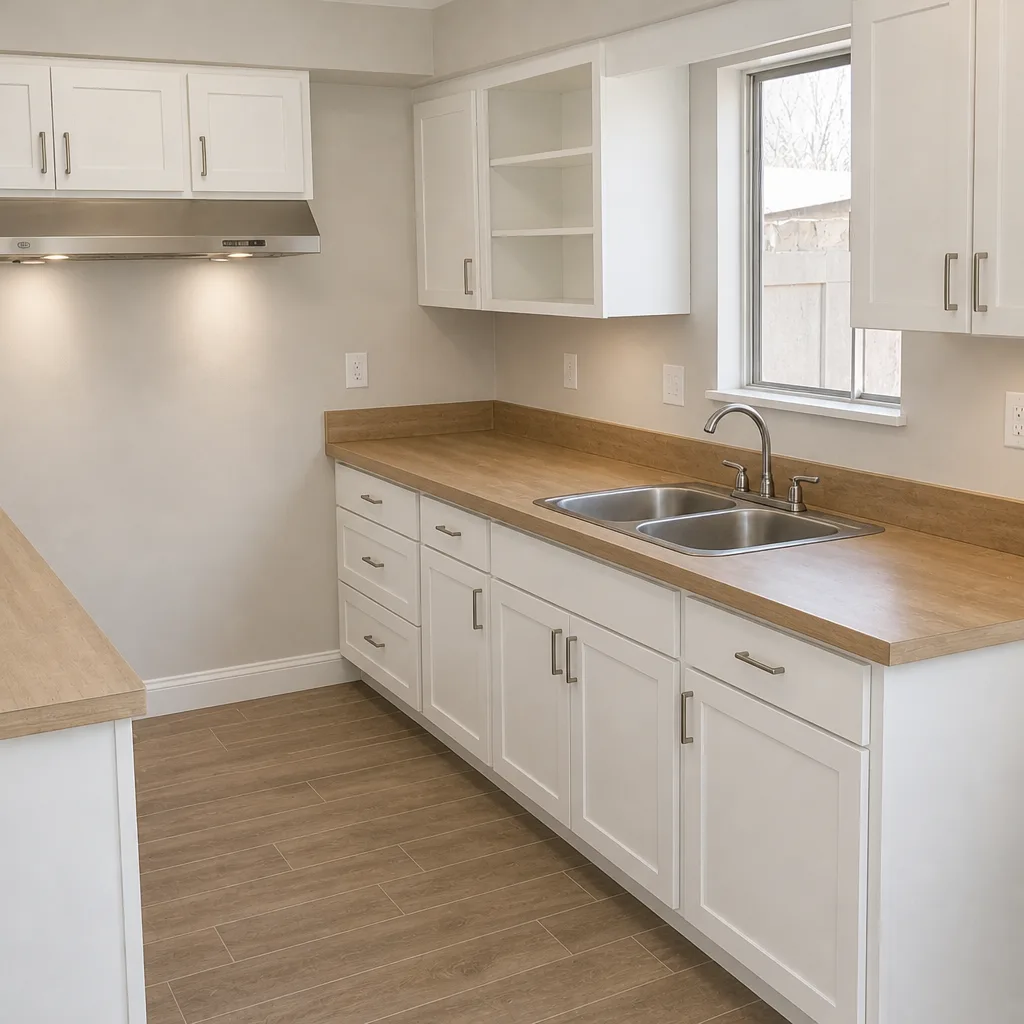
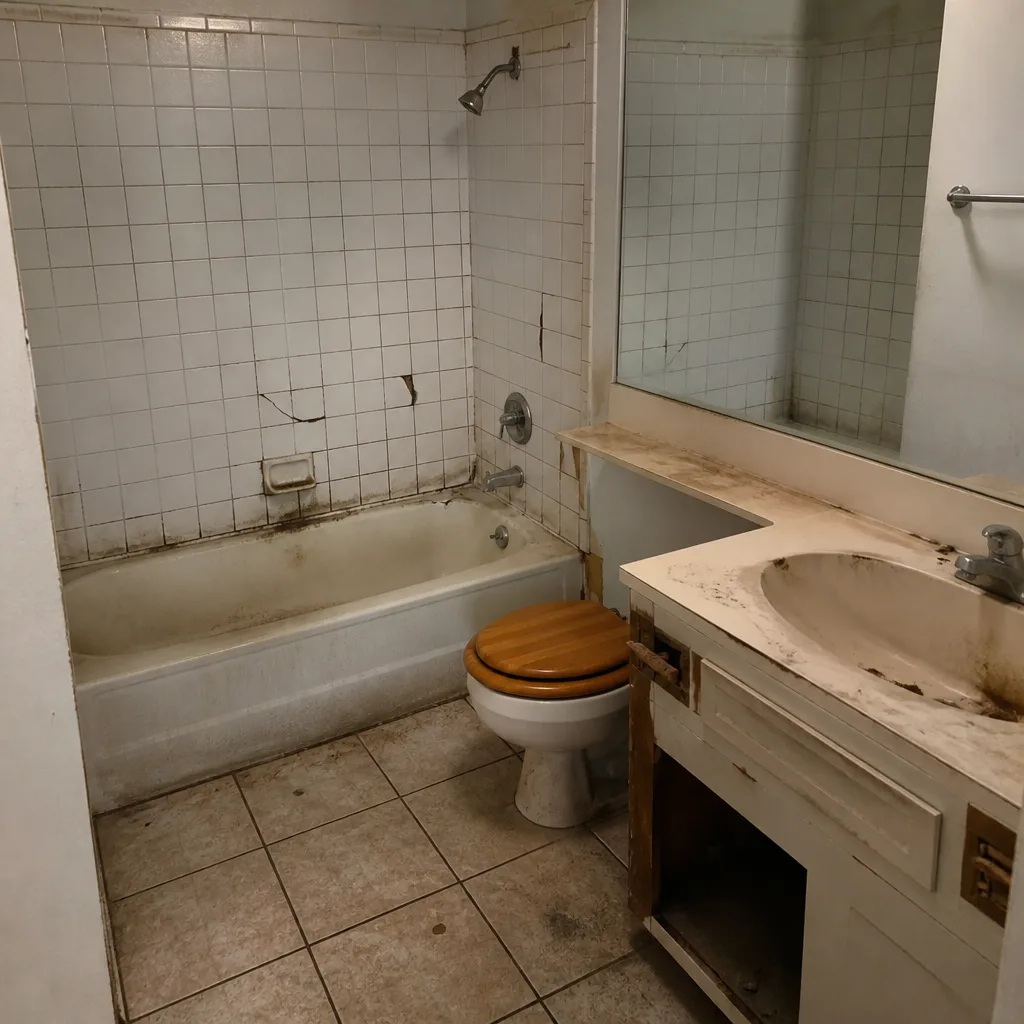
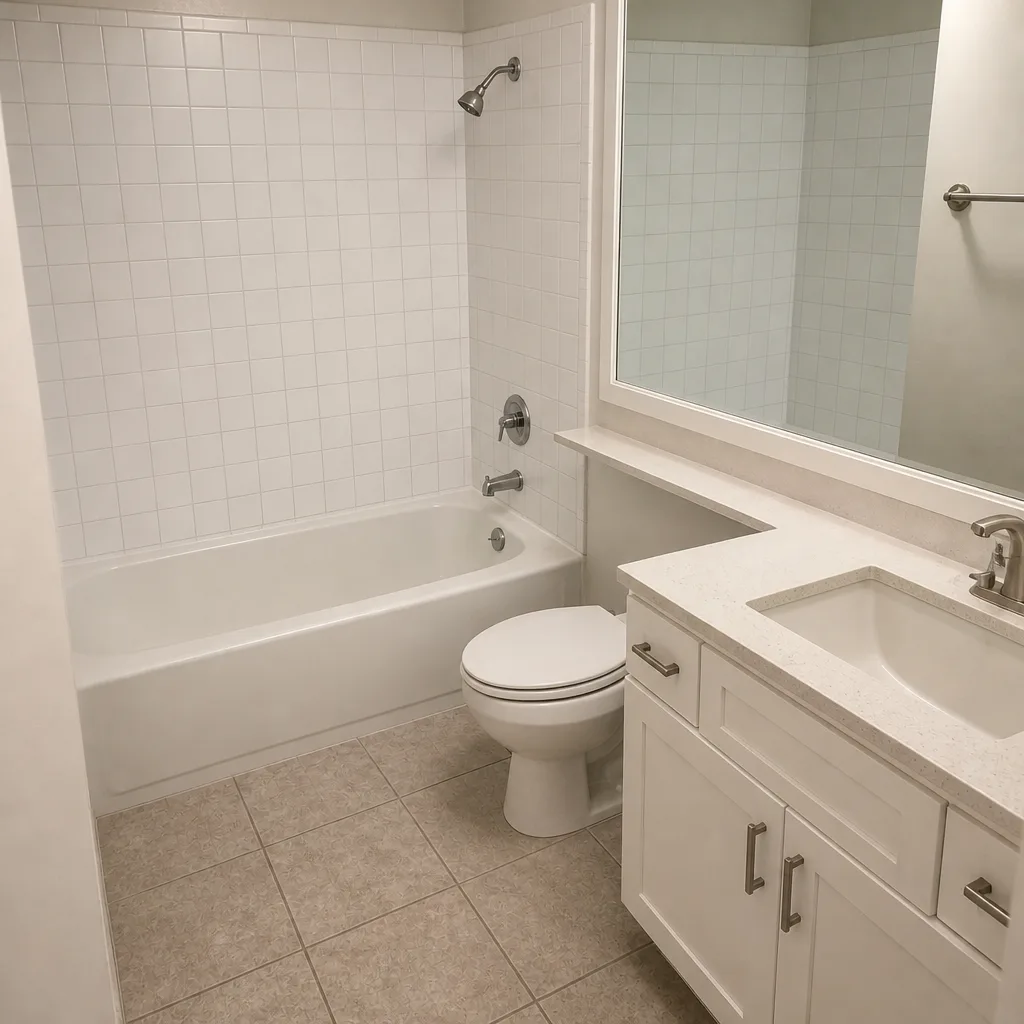
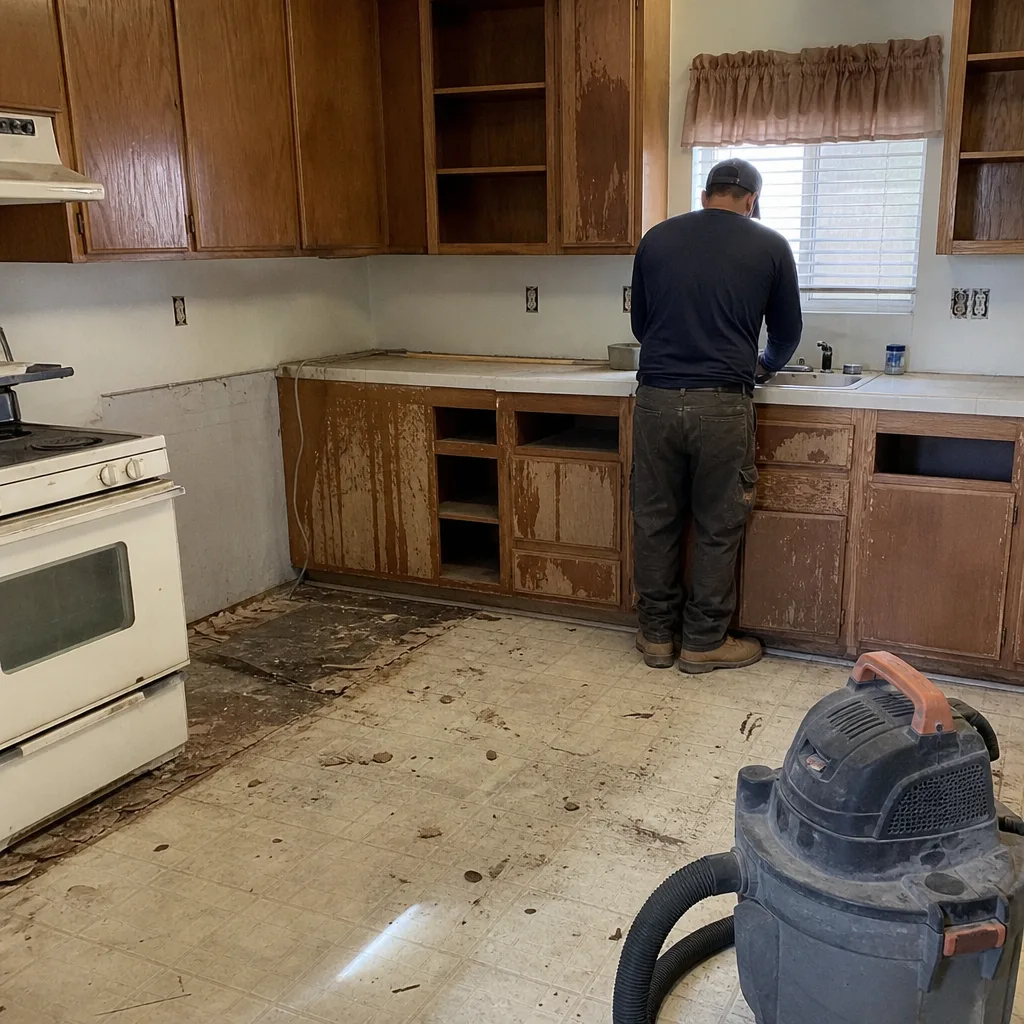
See the difference
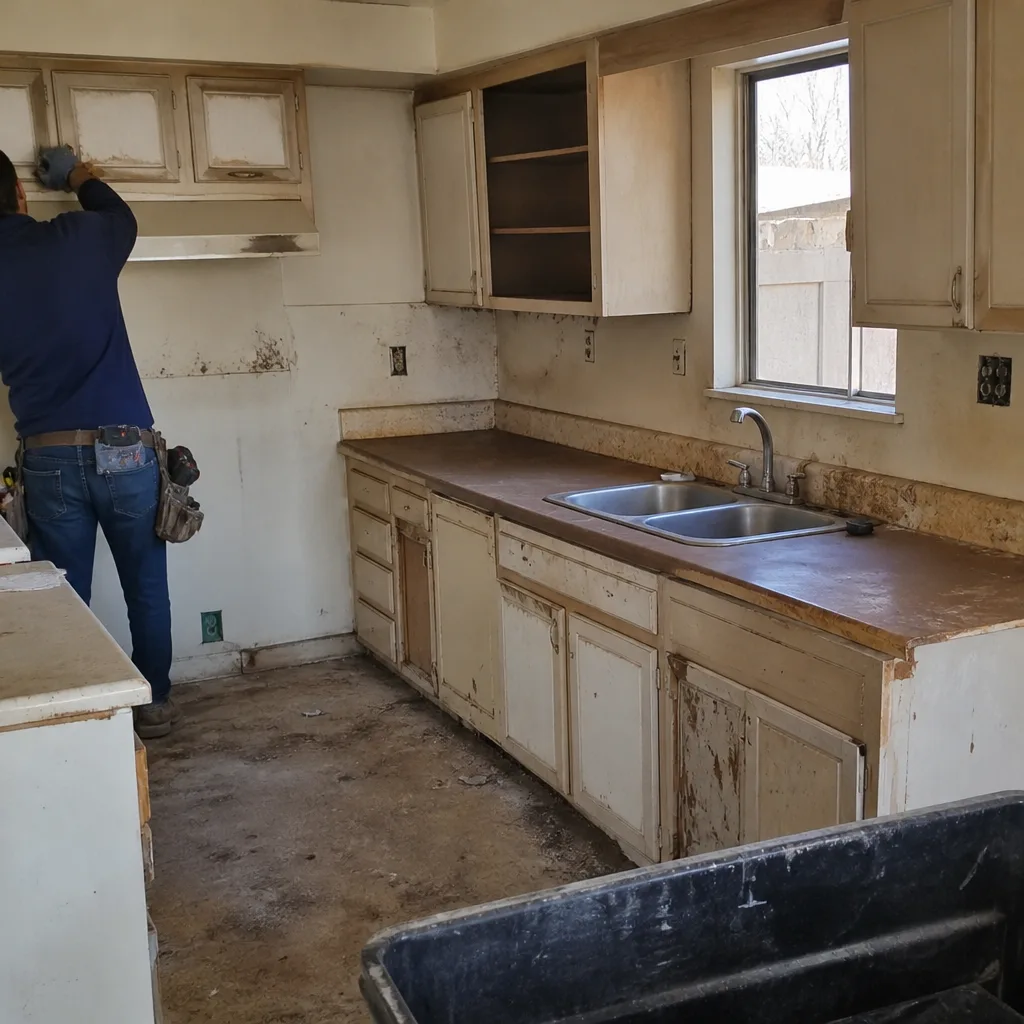 Before
 After
 Before
 After
 Before
 After
When to Call a Professional
Some exterior work you can size up yourself. A paver driveway in Henderson isn’t one of them, because the outcome depends on what’s under the ground. Call us if your drive is heaving or rocking after monsoon season, if water pools against the garage door, if your joints keep washing out after storms, or if you’re planning a new drive and need to know your caliche depth before you can get a real number. Also call if your HOA needs a sample and a plan and you’d rather not guess which profile will pass. Construction Henderson offers free estimates in Henderson. Call (833) 733-3914. We answer 24/7. Fast dispatch from 7am to 7pm, Sunday through Friday.
Frequently Asked Questions
Cost depends on your lot more than any single number: excavation through caliche, base depth, paver choice, and HOA requirements all move the total. That’s why we dig a test hole and price excavation as its own line item. Call (833) 733-3914 for a free written estimate built on your actual ground.
Caliche is a cemented layer that won’t let water drain through, so a base built on top of it can trap water and shift after heavy rain. Identifying the caliche depth with a test hole is what sets the right excavation and drainage plan. Call (833) 733-3914 to book an estimator who checks the ground before quoting.
Concrete pavers are the practical default for a driveway in this heat because they take vehicle loads and handle thermal cycling well. Porcelain can work, but only if the specific product is rated for vehicular traffic and installed with the right bedding. We specify against the application first. Call (833) 733-3914 to talk through which fits your drive.
A desert-grade polymeric sand rated for arid climates and high surface temperatures is what holds here. Standard grades wash out in summer monsoon microbursts or crack in the heat. Proper joint-filling and a careful moisture step during curing matter as much as the formula. Call (833) 733-3914 to have joints re-sanded correctly.
Most Henderson master-planned communities approve earth-tone paver color families in a restrained field pattern with a simple border, provided you submit a sample and drawing before ordering. Read your community’s design guidelines first, then get written approval. We can help line up the submission. Call (833) 733-3914 to start.
Timeline depends on excavation volume, caliche depth, size of the drive, and whether HOA approval is still in progress. A straightforward drive moves faster than one that needs deeper caliche removal or a tricky drainage detail. Get the scope priced first. Call (833) 733-3914 for an estimate that lays out the timeline with the line items.
The Bottom Line
A Henderson paver driveway is built on its ground, not on a chart. Caliche, extreme heat cycles, and HOA design guidelines decide the excavation depth, the paver material, and the joint sand that will hold up. Concrete pavers rated for vehicular use are the practical choice for most drives here, porcelain is a specified decision rather than a default, and desert-grade polymeric sand is non-negotiable. The prep – test hole, caliche work, drainage, base compacted in lifts – is where the durability comes from. Get the right material and the right base, and the surface takes care of itself. Our technicians have up to 14 years of experience reading this ground.
Ready to price your driveway on what’s actually under your lot? Call Construction Henderson at (833) 733-3914 for a free estimate. We answer 24/7. Fast dispatch from 7am to 7pm, Sunday through Friday. One contractor, every scope, from the finished driveway in Henderson to the Construction Henderson team behind every project.
Written by the team at Construction Henderson.