
Last updated November 17, 2026
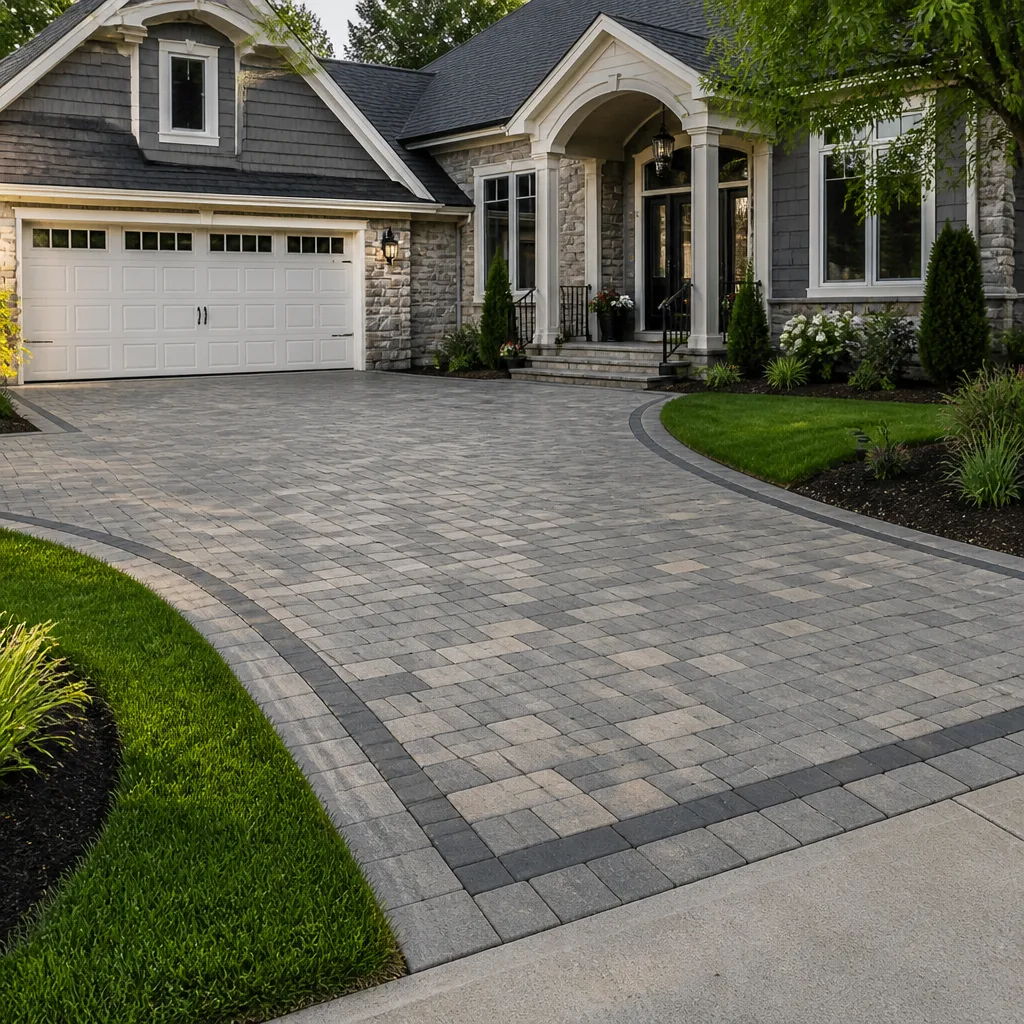 Driveway & pavers
 Kitchen remodeling
 Bathroom remodeling
 Home additions & ADU
 Roofing
 Windows & doors
 Fence
Free written scope consultation - allowances, timeline, and change-order rules on paper before a single trade is scheduled
Driveway & Pavers Maintenance Checklist for Henderson Homeowners
Most Henderson homeowners treat a paver driveway like concrete: pour it, forget it. That assumption is what costs them. A paver system is a layered assembly of base rock, bedding sand, joint sand, edge restraint and surface units, and every one of those layers moves when the ground beneath it heats to 140°F in July and cools to near freezing on a January night. The maintenance schedule that protects that assembly is short, specific and almost entirely seasonal. This guide gives you the month-by-month actions for a Henderson driveway, the products that actually hold up here, and the inspection criteria that separate a cosmetic issue from a structural one.
Quick Answer
Maintain a Henderson paver driveway on a four-season schedule: inspect joint sand and edge restraint before summer heat (May), re-sand after the August-September monsoon washouts, treat efflorescence with a pH-neutral cleaner rather than an acid wash, avoid salt-based deicers on concrete pavers during Henderson’s frost nights, and reseal on a schedule that matches your paver type. Skip the post-monsoon re-sand and joint erosion compounds year over year.
Styles & brands we work with
- Kitchen remodeling
- Bathroom remodeling
- Home additions & ADU
- Roofing
- Windows & doors
- Driveway & pavers
- Fence
Table of Contents
- Why Henderson’s Thermal Swing Is Hard on Pavers
- Pre-Summer Inspection Protocol (April and May)
- Post-Monsoon Checklist (August and September)
- Color Fade vs. Surface Spalling: How to Tell Them Apart
- Winter Prep for Henderson’s Frost Nights
- Annual Sealer Schedule by Paver Type
- When to Call a Professional
- Frequently Asked Questions
Why Henderson’s Thermal Swing Is Hard on Pavers
A paver driveway in Henderson is asked to do something a driveway in a mild coastal climate never is: expand and contract twice as far, twice as fast. Henderson swings from roughly 28°F on cold winter nights to 115°F on the hottest summer afternoons. Pavers themselves handle that thermal cycling well. The joints, bedding sand and edge restraint do not, and those are what hold the system together.
Here’s what actually happens. In summer, the concrete pavers and the sand beneath them expand. Polymeric sand in the joints shifts slightly and, at the surface, cures harder and more brittle than the sand deeper in the joint. In winter, the assembly contracts, and on the roughly 30 to 40 frost nights Henderson averages each year, any moisture trapped in the joints can freeze. When water freezes, it expands, and that expansion pushes the joint sand up and out.
Repeat that cycle for a few years and the joints open at the surface. Open joints are the entry point for everything that follows: rain reaches the bedding layer, the base layer softens, and paver edges start to shift. This is mechanical, not cosmetic. It’s why driveway & pavers installations built on a properly compacted, properly drained base and maintained on schedule routinely outlast neglected ones.
The four physical forces working against your pavers
- Thermal expansion and contraction. The single largest stressor in Henderson. Greatest amplitude in spring and fall, when days are hot and nights are cool.
- Moisture cycling in the joints. Wet spring days followed by clear cold nights are the frost-expansion window. Wet-hot summer days dry the joint sand hard.
- UV exposure. Henderson’s sun load is intense for most of the year. It affects color more than structure, but it does break down some sealers faster than manufacturers’ general figures suggest.
- Monsoon runoff. Concentrated August-September rainfall on a driveway that slopes toward the garage instead of away from it is the most common cause of base erosion we see.
None of that means a paver driveway is fragile. It means the maintenance schedule is not optional and it is not annual. It’s seasonal, and the two windows that matter most are right before summer and right after the monsoon.
Pre-Summer Inspection Protocol
In our experience, the single highest-value action in the Henderson calendar is the inspection you do in late April or early May, before the first 100°F day. Joints that are full in May stay full through the summer. Joints already half-empty in May will be empty by July. Do the inspection in this order.
- Walk the joints with a screwdriver handle. The handle, not the blade. Tap it into a joint at roughly a dozen points across the driveway. If it sinks more than about a half inch before it feels firm, the joint needs topping up with polymeric sand before the heat arrives.
- Check every edge restraint. The restraint is the concrete or steel edge, spiked into the base, that stops the perimeter pavers from spreading. Push against the outer pavers along the driveway’s full perimeter. Any movement at all means a restraint or spike has loosened and needs re-setting before the pavers migrate further.
- Look for efflorescence. Efflorescence is the white, powdery, salt-like bloom that appears on the surface of concrete pavers when moisture moves through the paver and evaporates at the face, leaving mineral deposits behind. It’s cosmetic, not damage. In Henderson it’s more common after a wet winter and shows up first on the shaded side of the driveway.
- Check drainage slope. Pour a bucket of water at the top of the driveway and watch where it goes. It should sheet off the surface and away from the garage threshold and foundation. If it pools anywhere on the driveway for more than a minute, your slope has settled and needs correction.
- Scan for shifted or sunken pavers. Run a straightedge across the surface. A dip deeper than a quarter inch over a couple of feet is a base problem, not a surface problem, and it will get worse.
Efflorescence treatment: pH-neutral or nothing
Efflorescence is the one maintenance task where the wrong product does real damage. Use a dedicated, pH-neutral efflorescence cleaner – PROSOCO makes products in this category and they’re what we specify when efflorescence is the issue. Apply to a dry surface, mist with water, agitate with a stiff broom, and rinse. Do not use a muriatic acid wash on concrete pavers. Acid attacks the cement binder in the paver surface and opens the pores, which lets more efflorescence come back next season and takes years off the surface’s life.
Post-Monsoon Checklist
Henderson’s storm season has a shape. August and September bring the concentrated, high-volume rainfall, and the morning after a hard storm is the most informative inspection window of the year. Water is a tracer: it tells you exactly where your base and joints have problems.
- Look for erosion at the base edge. Where driveway pavers meet soil, gravel or planting beds, check for a channel scoured into the base. Concrete pavers edge restraint depends on base compaction; water running alongside it takes the fines out of the base and the outer pavers loosen.
- Check for joint washout. Hard rain pushes loose joint sand toward the low end of the driveway. If you find ridges of sand piled against the garage door, your joints were not fully filled before the storm. Top them back up.
- Re-sand with polymeric sand. Techniseal HP+ and its equivalents are the correct material for a Henderson driveway. Polymeric sand activates with water and cures into a semi-flexible joint rather than dusty loose sand. Following the manufacturer’s instructions, clean the joints, pour the sand, sweep it in at an angle to the joints (never straight along them), compact with a hand tamper, then mist with a fine water spray – and check the forecast first, because the activated sand should not be soaked again by heavy rain in the hours after it cures.
- Recheck the drainage slope. Monsoon season is exactly when a marginal slope becomes an obvious one. If water pooled against the garage door, that’s the one item on this checklist worth calling out to a professional, not solving yourself.
- Assess the whole surface for movement. Walk the perimeter again. Restraint failures in Henderson usually surface after monsoon season, not before, because the water is what destabilizes the base beneath them.
The re-sand is the recurring item. If you have a concrete paver driveway, plan on a post-monsoon re-sand most years, and a light top-up in May in between. The cost of doing it is a few hours and a few bags. Skipping it, in this climate, is where a paver driveway starts aging fast.
Color Fade vs. Surface Spalling: How to Tell Them Apart
Homeowners often ask whether a paver that looks duller than it once did is worn out. Most of the time it isn’t. There are two very different things that happen to the surface of a paver in Henderson, and only one of them needs replacement.
UV-induced color fade
Fade is a gradual change in tone across the whole driveway, not one section. The bar’s surface may look lighter, or the darker tones within a blended mix may have softened. It does not change the texture; if you run your hand across it, it feels like a paver. Iron oxide pigments in concrete pavers are UV-stable, so the fade is usually at the surface layer or in a degraded old sealer film. Fade is a sealing and cleaning issue, not a replacement issue. A proper strip and reset with a film-free sealer restores depth and tone, and a sealer with UV-inhibiting chemistry slows the process going forward.
Structural surface spalling
Spalling is a mechanical failure: flakes or chips of the top surface layer breaking away, usually starting near a paver edge or joint. What you’re looking for is texture change, not color change. Spall is rough and pitted, and sometimes a puddle of paver sitting right beside the failed one is perfectly intact. Spalling is a replacement issue. Sealant will not fix it, and it can make a failing paver worse by trapping moisture beneath the film. If you have isolated spalled pavers – from impact damage, or a paver that was wet during its manufacture – a masonry professional can lift and replace just those pavers and reset the bedding layer beneath them.
One diagnostic test: put a drop of water on the paver and watch it. A smooth faded paver beads it and dries normally. A spalled surface absorbs it unevenly into the pitted areas. In our experience the answer is fade far more often than spall, and homeowners who reach for a sealer on a faded driveway are solving the right problem.
Winter Prep for Henderson’s Frost Nights
Henderson isn’t cold, but it isn’t Phoenix either. The U.S. climate record for the area shows roughly 30 to 40 frost nights in a typical year, and those nights are exactly what polymerically-sanded joints dislike. Winter prep is a short list.
- Do not use salt-based deicers on concrete pavers. Sodium chloride and calcium chloride deicers are the fastest way to damage a concrete paver surface and the joint sand. They’re hydroscopic – they pull moisture back toward the paver surface and accelerate freeze-thaw cycling in the joint. On a rare icy Henderson morning, use sand for traction instead, and sweep it up afterwards.
- Verify the drainage slope before the rainy season, not after. Do the bucket-of-water test in October, before the winter rains. If a low spot has developed over the summer, that’s when to have it corrected, not after the first storm has eroded the base beneath it.
- Confirm the joints are topped up going into the cold. Full joints hold the pavers in place through freeze-thaw. Empty joints let individual pavers rock, and a rocking paver breaks down its own bedding sand.
- Clear leaf litter. In a valley that doesn’t get heavy snow, the real winter risk is organic debris in the joints blocking drainage. Blow the driveway clean; don’t leave wet leaves sitting in the joints.
One more item specific to this winter: sealer applied in cool, damp weather may cure cloudy or take far longer to dry. Manufacturers publish minimum application temperatures for their products. If you’re sealing in late fall, read those numbers and wait for a warm, dry window rather than pushing the schedule.
Annual Sealer Schedule by Paver Type
Not every paver wants the same sealer, and the biggest mistake is to walk into a home center, buy a can of “paver sealer,” and apply it to the wrong surface. Here’s how we specify a sealer by paver type and what to expect from its application.
- Concrete unit pavers. These are the most forgiving and the most re-sealable. A penetrating, film-free sealer, applied at the manufacturer’s specified coverage (typically around 150-250 square feet per gallon on a first coat), protects the joint sand and slows fade. Plan on resealing roughly every 2 to 3 years in Henderson’s UV load – the sealer’s life, not the paver’s, is what you’re resetting.
- Tumbled travertine. Travertine is a natural stone, and every piece has pores. It needs a breathable penetrating sealer, applied more generously than on concrete and re-applied more often – somewhere in the 12 to 24-month range depending on sun exposure and how much the surface is used. Do not apply a film-forming sealer to travertine outdoors in this climate; any moisture trapped beneath the film will eventually cause the surface to delaminate.
- Porcelain pavers. Porcelain surfaces are dense and non-porous, so they don’t absorb sealer and generally don’t need one. The exception is if the paver has a textured or textured-face finish; even then, a manufacturer’s sealer recommendation is the only reliable guide. If the manufacturer says no sealer, believe it. Porcelain’s maintenance profile is a clean, low-absorption surface, not a coating.
How to apply sealer without ruining the job
- Clean first. Sealer over dirt or efflorescence traps both. A pH-neutral cleaner and a stiff broom, then a full dry.
- Check the surface is dry for 24 hours before application and the forecast is dry for 24 hours after.
- Apply with a low-pressure sprayer or a nap roller, working in small sections and keeping a wet edge. Coverage numbers on the label assume a smooth, dry surface – more porous pavers will need more.
- Let the manufacturer’s stated recoat time pass before the second coat, and don’t walk on it for the label-specified time.
That last point matters more than most people expect. A sealer that’s applied too thick or too soon, or walked on too early, cures with visible wet marks and can look worse than the fade it was supposed to fix.
See the difference
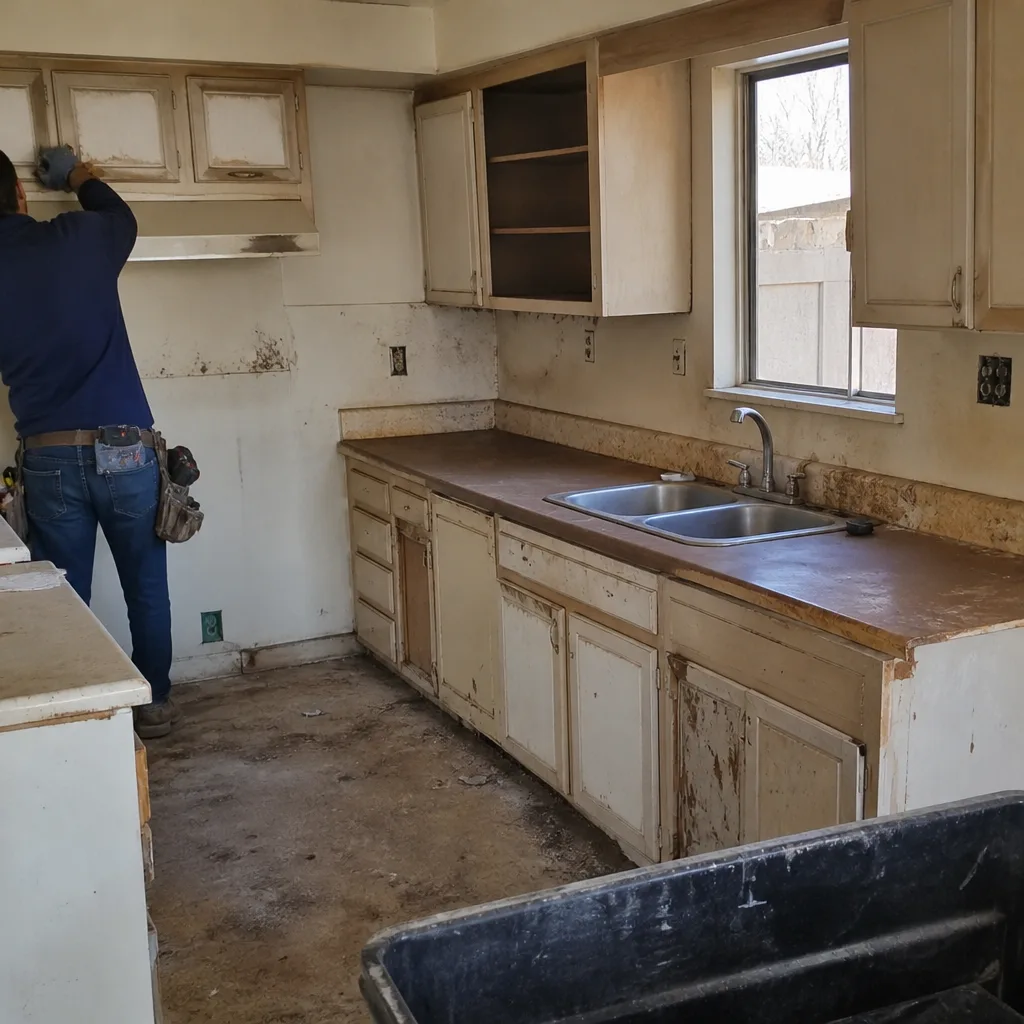 Before
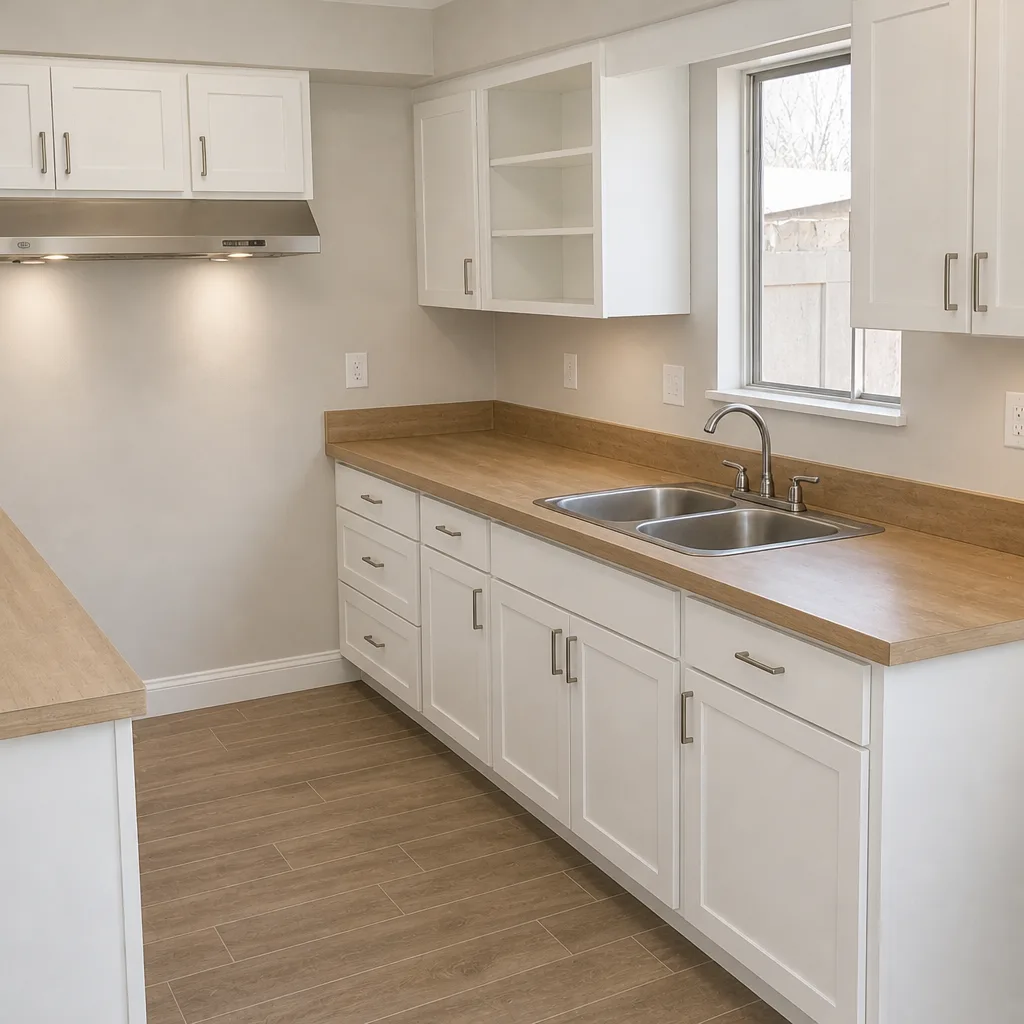 After
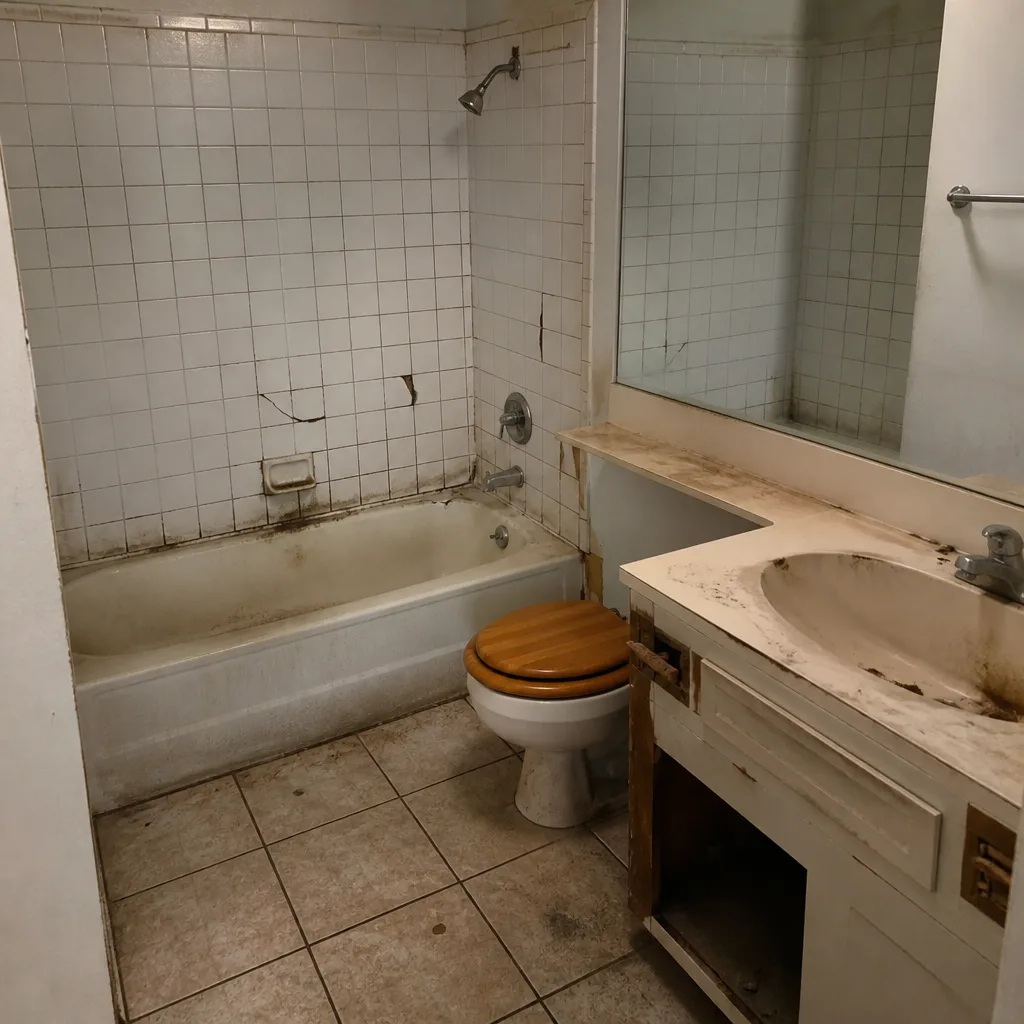 Before
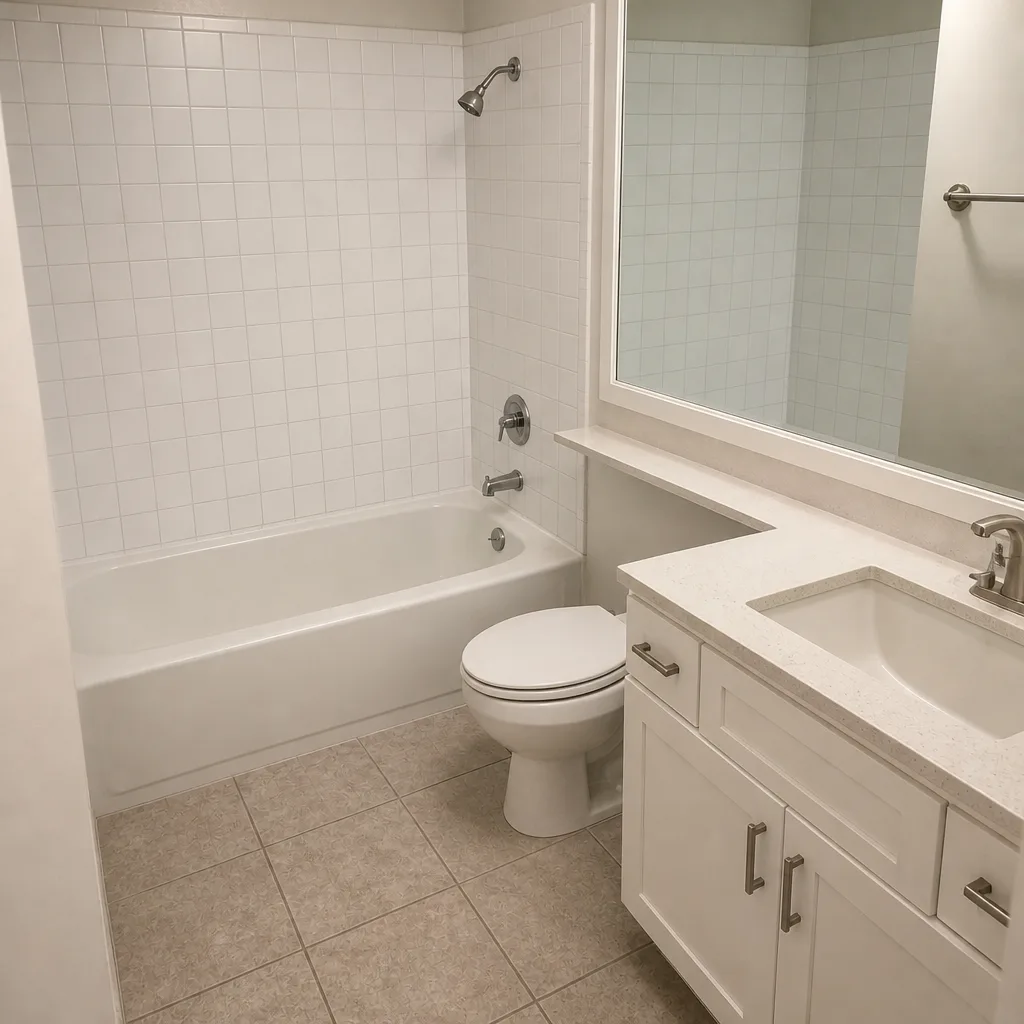 After
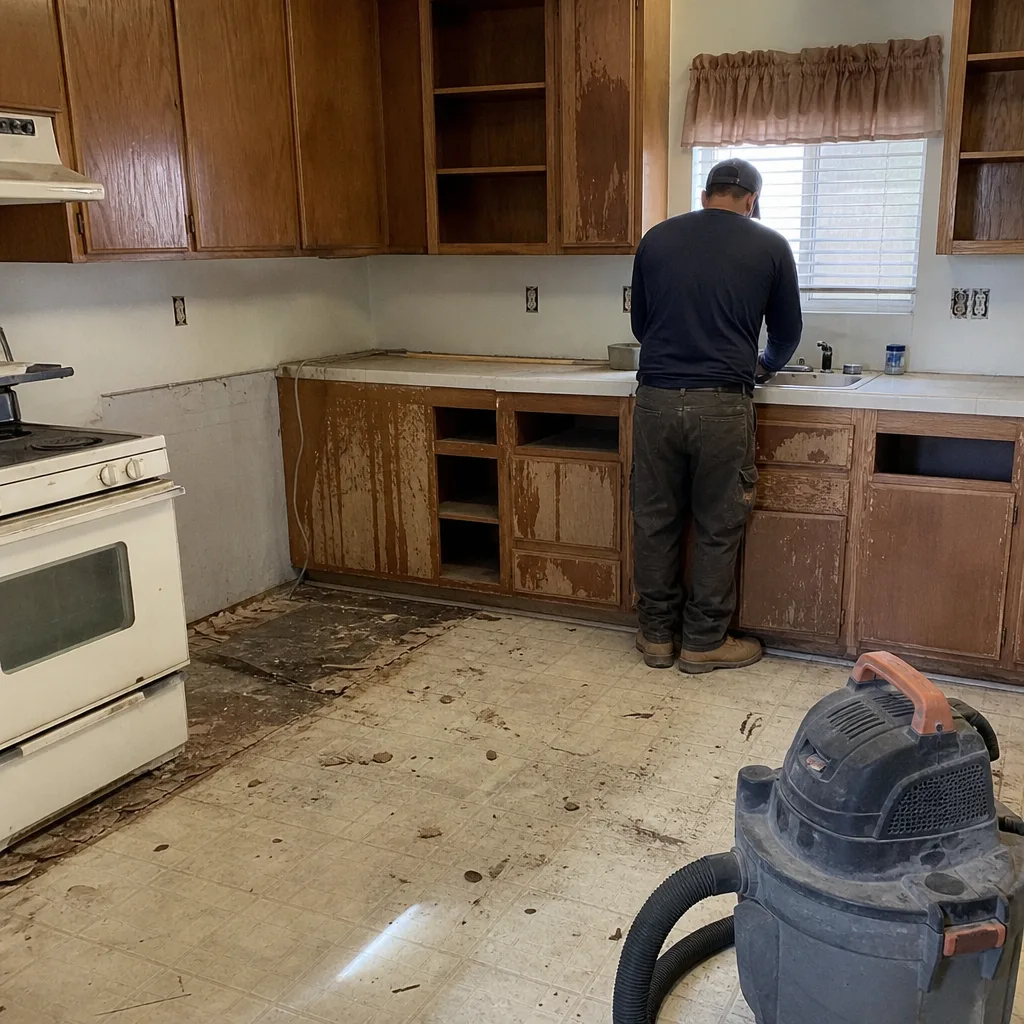 Before
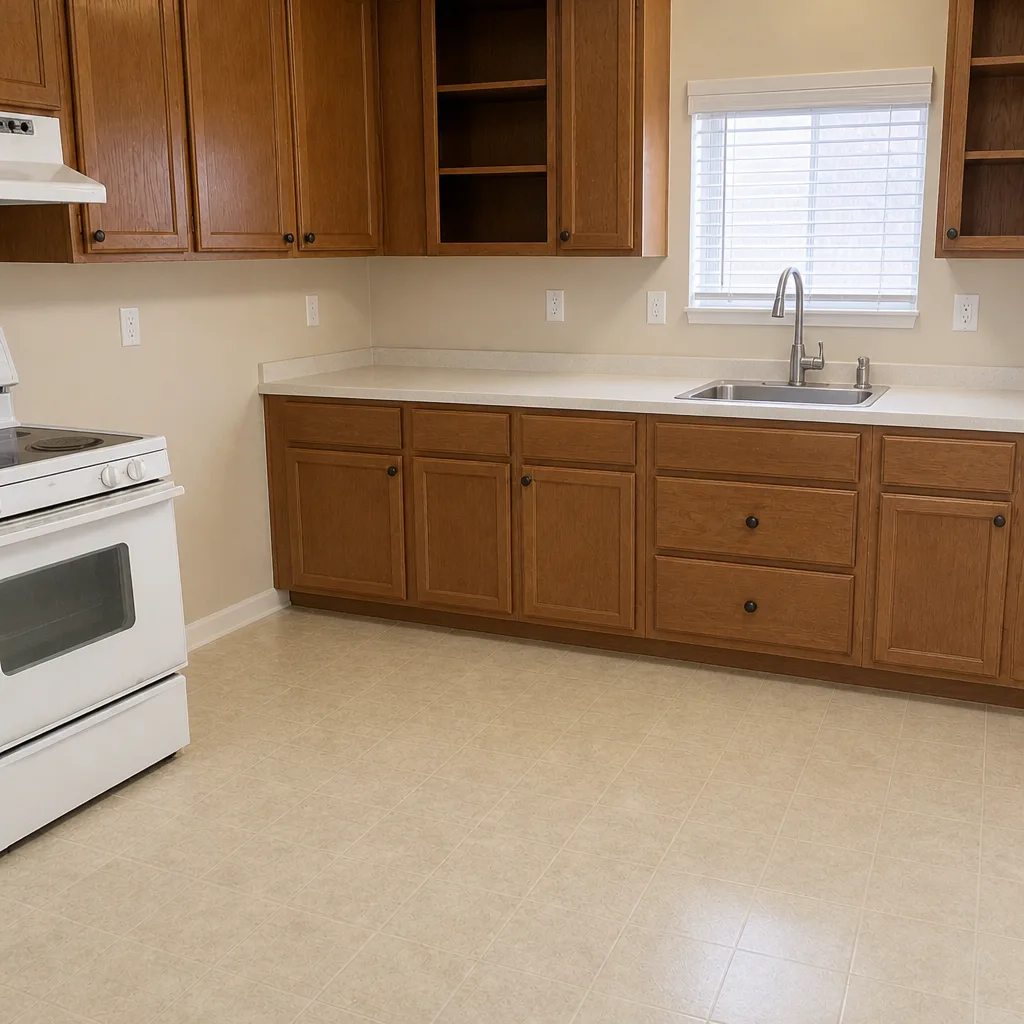 After
Common Mistakes to Avoid
- Waiting for spring to top up joints. By the time the first 100°F day lands in Henderson, the joint has been under stress for a month. The top-up window is late April, before the heat starts.
- Using acid on concrete pavers. Muriatic acid is a common internet fix for efflorescence. It damages the concrete binder and opens the surface, which lets more efflorescence return next season.
- Using salt deicer. A single winter of sodium chloride on a concrete paver driveway can visibly pit the surface. Use sand for traction instead.
- Sealing a wet driveway. Sealer over even slight surface moisture cures cloudy and can trap that moisture under the film. In our experience this is the single most common self-installed sealer failure in Henderson.
- Filling joints with plain sand when the fix is polymeric. Loose sand in the joints washes out at the first hard monsoon rain. Polymeric sand cures into a joint that resists washout.
- Ignoring a loosening edge restraint. Perimeter pavers that move a quarter inch at the edge will have moved an inch at the far end of the driveway within a couple of seasons. The restraint fix is small if it’s caught early.
- Assuming a sun-dulled surface needs replacement. Fade is a sealer job, not a tear-out. Get an assessment before you spend on replacement.
When to Call a Professional
Most of the checklist above is genuinely homeowner work: a screwdriver handle, a bucket of water, a bag of polymeric sand. There are four situations where we’d tell you to stop and call.
First, water pooling against the garage door or foundation after a storm. That’s a slope and base problem, and it’s the kind of thing that gets more expensive the longer it stands. Second, perimeter pavers that move under hand pressure – that’s an edge restraint failure that needs re-setting. Third, dips or high spots you can see with a straightedge: a base or bedding problem, not a surface one. Fourth, isolated spalling or a section of joint that will not hold sand no matter how many times you refill it.
Construction Henderson offers free estimates in Henderson, and our technicians have up to 14 years of experience in hardscape work. Call (833) 733-3914. We answer 24/7. Fast dispatch from 7am to 7pm, Sunday through Friday.
Frequently Asked Questions
Most Henderson paver driveways need a post-monsoon re-sand in late August or September, and a lighter top-up in late April before the heat arrives. The frequency depends on joint width, sun exposure and how much the driveway is used. If your joints are still full after a full summer, stretch the interval; if a hard storm leaves sand piled at your garage door, you need to re-sand sooner. Call (833) 733-3914 for an exact quote on professional re-sanding – estimates are free.
Concrete pavers benefit from a penetrating, film-free sealer resealed roughly every 2 to 3 years in Henderson’s sun; tumbled travertine needs a breathable penetrating sealer more often; porcelain pavers generally do not need sealing at all unless the manufacturer says otherwise. Match the product to the paver, not the other way around. Call (833) 733-3914 for an exact quote – estimates are free.
That’s efflorescence – mineral salts drawn to the surface by moisture and left behind when it evaporates. It’s cosmetic, not structural damage, and it’s more common after a wet Henderson winter. Treat it with a pH-neutral efflorescence cleaner such as a PROSOCO product, not hydrochloric or muriatic acid, and fix the water source that’s feeding it.
No. Salt-based deicers damage both the concrete paver surface and the joint sand. On Henderson’s roughly 30 to 40 frost nights, use sand for traction instead, and sweep it up after the ice clears. Call (833) 733-3914 if you want to know how much surface damage has already occurred – estimates are free.
In most cases, no. Gradual color change with no change in texture is a sealer and cleaning issue – the surface pigment is still intact, and a proper strip and reset with a UV-inhibiting sealer restores it. Replacement is only needed when the surface is spalling (flaking, pitted, texture change). Call (833) 733-3914 for an exact quote – estimates are free.
A low spot that holds water after rain is almost always a base or bedding layer issue, not a surface one. In Henderson, monsoon runoff can wash the fine material out of the base and let individual pavers settle a quarter inch or more. This is a professional repair – lifting and re-setting the affected pavers over a re-compacted base. Call (833) 733-3914 to book a free estimate.
The Bottom Line
The maintenance schedule that protects a Henderson paver driveway is short and seasonal: inspect joints and edge restraint in late April, re-sand with polymeric sand after the August-September monsoon, treat efflorescence with a pH-neutral cleaner, keep salt off the pavers on frost nights, and reseal by paver type (concrete every couple of seasonal cycles, travertine more often, porcelain only when the manufacturer says so). What separates a paver driveway that lasts from one that ages fast is not the paver – it’s whether the homeowner is following this checklist or waiting for a problem to appear. Our technicians have up to 14 years of experience and can tell you in one visit where your driveway stands.
Where the work goes beyond a homeowner checklist – re-setting perimeter pavers, correcting a drainage slope, replacing isolated spalled units, or specifying a new installation in the first place – we handle it as part of a full scope that runs from the roofline to the driveway. That includes fence installation and home additions & ADU work if your project grows, and roofing systems from GAF, CertainTeed and Owens Corning if a storm has done more than sand your way.
Get Your Free Paver Estimate
Construction Henderson offers free estimates on paver repair, re-sanding, sealing and full driveway replacement – and every project comes with a written line-item quote, fixed pricing with no change orders, and workmanship we back. Call (833) 733-3914. We answer 24/7. Fast dispatch from 7am to 7pm, Sunday through Friday. On a driveway that’s starting to fade, shift or hold water, one free visit tells you exactly what your pavers need – and what a maintenance plan would save you in repair work later.
Written by the team at Construction Henderson.